
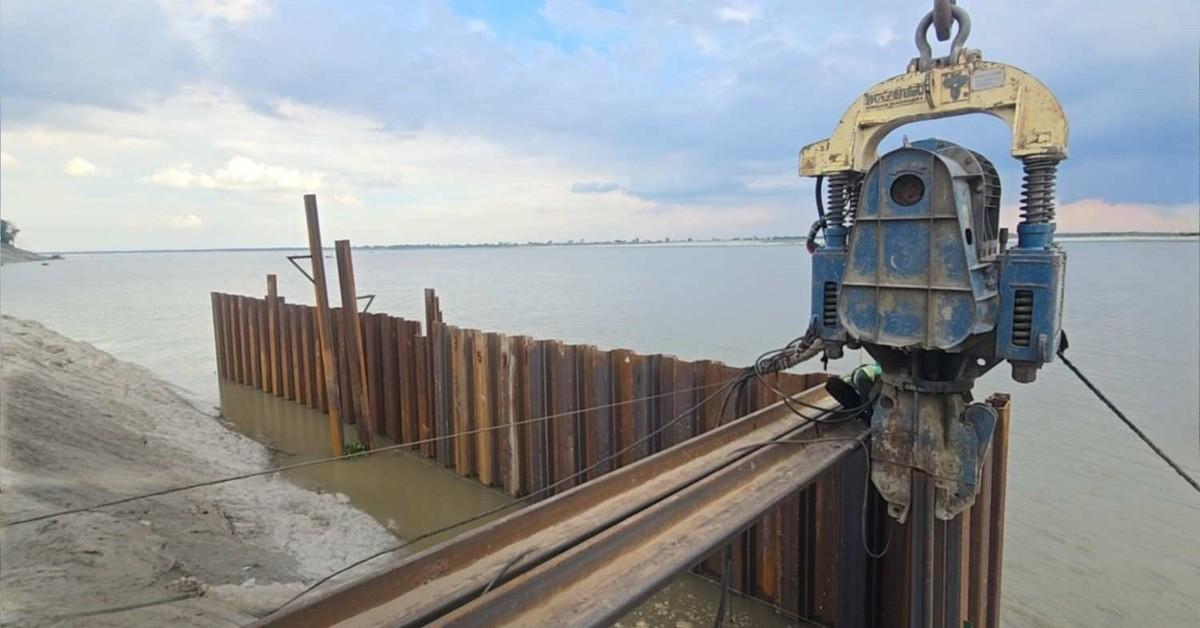
When Sheet Piling Becomes a Liability Instead of a Solution
Let's See The Topics
Sheet piling is widely used in construction projects involving excavation support, riverbank protection, marine structures, and soil retention. In many cases, it performs well when soil conditions, design, and execution are properly aligned.
Still, there are projects where sheet piling creates more problems than solutions.
Unexpected settlement, water leakage, structural movement, rising costs, and nearby damage are not rare incidents in this sector. These problems usually appear when sheet piling is selected without fully understanding the site condition or long-term project impact.
A system designed to stabilize the ground can quickly become a financial and structural burden if critical risks are ignored early.
This article explains the situations where sheet piling turns into a liability and why these failures continue to happen in large construction projects.
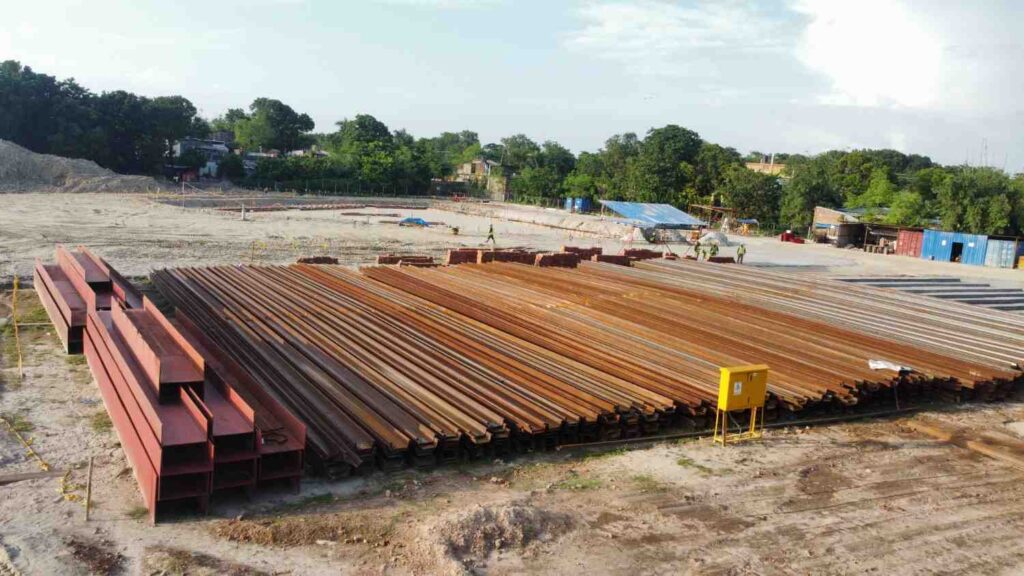
Poor Soil Understanding Creates Early Failure Risks
One of the most common reasons behind sheet piling problems is incorrect soil assessment.
Not every soil condition supports sheet piling equally. Soft clay, loose sand, reclaimed land, and highly saturated ground behave differently under pressure and vibration.
When geotechnical analysis is incomplete, projects face:
- Unstable pile alignment
- Excessive wall movement
- Reduced load resistance
- Settlement around nearby structures
Many failures start because contractors assume the same piling method will work across different soil conditions.
Projects located near riverbanks and coastal zones face even higher uncertainty because soil composition changes frequently within short distances.
If soil behavior is not properly evaluated, sheet piling may lose stability over time rather than improve site safety.
For projects dealing with weak soil conditions, understanding the causes behind sheet pile failures in soft soil conditions becomes critical before construction begins.
Water Pressure Turns Small Design Errors Into Major Problems
Sheet piling is often selected to control groundwater and soil movement. Poor design calculations can create the opposite effect.
Water leakage becomes a major issue when:
- Embedment depth is insufficient
- Interlock sealing is weak
- Hydrostatic pressure is underestimated
Once water starts passing through or beneath the structure, soil erosion begins. Over time, ground support weakens and structural instability increases.
Repairing leakage problems after excavation has already started can become extremely expensive.
Field observations from infrastructure projects indicate that water-related design failures contribute to nearly 25% of major sheet piling complications in wet soil environments.
Ignoring groundwater behavior during design often turns sheet piling into an ongoing maintenance problem rather than a protective structure.
Projects involving high groundwater exposure should carefully review the risks linked to design miscalculations that lead to water leakage issues before finalizing execution plans.
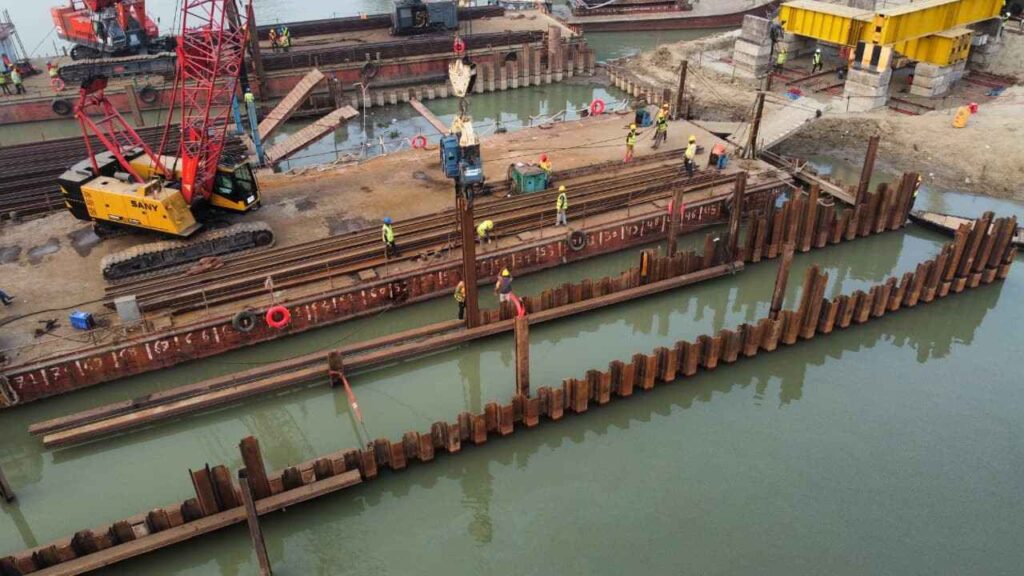
Vibration Damage Creates Problems Beyond the Construction Zone
In urban and industrial projects, sheet piling rarely affects only the construction site itself.
Vibratory hammers generate ground movement that spreads through surrounding soil layers. Nearby buildings, underground utilities, and aging infrastructure may experience:
- Cracks in walls and floors
- Foundation movement
- Pipeline displacement
- Settlement around adjacent structures
This becomes a serious concern in densely populated zones.
A regional construction monitoring report found that vibration-related complaints increased by more than 30% in projects located near existing structures over the last several years.
In some projects, legal disputes and repair claims become more expensive than the piling operation itself.
Contractors who focus only on installation speed often underestimate how vibration behaves in soft or water-saturated ground.
Understanding the long-term risks connected to vibration impact during sheet piling near existing structures is necessary before starting work near sensitive infrastructure.
Rising Costs Often Come From Hidden Execution Problems
Sheet piling projects are frequently approved based on estimated budgets. Actual costs often increase once execution begins.
Some of the most common hidden cost drivers include:
- Equipment downtime
- Re-driving misaligned piles
- Extra dewatering requirements
- Delayed excavation support systems
- Soil instability requiring redesign
Large-scale projects are especially vulnerable because small execution delays multiply across the entire operation.
Industry reviews suggest that unexpected site conditions increase sheet piling project costs by nearly 20–35% in many large infrastructure developments.
When repeated corrections and delays become part of the process, sheet piling stops functioning as a cost-control measure.
Contractors and project owners should closely review the hidden cost drivers in large-scale sheet piling projects before finalizing budgets and timelines.
Wrong Equipment Selection Increases Structural Risk
Not all piling equipment is suitable for every project.
Using oversized vibratory hammers in sensitive urban areas can increase:
- Ground vibration
- Structural settlement
- Interlock damage
- Noise complaints
Using underpowered equipment creates a different problem. Piles may fail to reach required depth or remain improperly aligned.
Equipment selection should depend on:
- Soil condition
- Distance from nearby structures
- Groundwater level
- Required pile depth
Many project complications begin because equipment decisions are based mainly on availability instead of engineering suitability.
Poor Planning Between Design and Site Teams
Another major issue comes from disconnect between engineers and field teams.
Designs are often prepared using ideal assumptions. Real site conditions rarely match those assumptions perfectly.
Common coordination problems include:
- Soil reports not shared properly
- Drainage conditions changing during excavation
- Support systems installed later than planned
- Execution tolerances ignored during installation
Once field conditions shift, problems spread quickly across the project.
This is why experienced contractors treat sheet piling as both an engineering and execution challenge, not only a design calculation.
Short-Term Thinking Creates Long-Term Problems
Some projects prioritize short-term budget reduction over long-term structural stability.
This often leads to:
- Reduced pile depth
- Lower material quality
- Inadequate sealing systems
- Limited site investigation
Initial costs may appear lower, but repair expenses later become much higher.
Projects dealing with water exposure, weak soil, or nearby structures require long-term planning from the start.
Final Thoughts
Sheet piling is not automatically the right solution for every site condition. When planning, soil analysis, design accuracy, and execution quality are weak, the system can create structural and financial risks instead of preventing them.
Most failures are not caused by one single mistake. They develop through multiple small decisions that gradually weaken the project.
Proper investigation, experienced supervision, and realistic planning make a major difference in avoiding these issues.
For industrial, marine, and infrastructure projects requiring careful execution, working with experienced professionals matters. You can review professional Sheet pile driving services in Bangladesh for projects involving challenging soil and structural conditions.