
Hidden Cost Drivers in Large-Scale Sheet Piling Projects
Let's See The Topics
Large-scale sheet piling projects are often planned with a clear budget and timeline. On paper, everything looks controlled. Once work starts on-site, costs begin to shift. Many of these increases are not caused by major design changes but by smaller factors that were either underestimated or ignored during planning.
These hidden cost drivers quietly impact the overall project value. In many cases, they turn a well-planned budget into a financial strain.
This article explains where these costs come from and why they are common in large-scale sheet piling work.
1. Incomplete Soil Investigation
A major portion of unexpected cost comes from poor understanding of soil conditions.
Soft clay layers, loose sand pockets, or buried obstructions can completely change the execution plan. When soil reports are based on limited boreholes, they fail to represent the full site condition.
Once piling begins, contractors may face:
- Hard layers that slow down driving
- Unexpected soft zones requiring deeper penetration
- Obstructions such as old foundations or debris
Each of these leads to additional equipment use, extended working hours, and higher labor costs.
Industry data shows that projects with limited geotechnical data experience up to 20–30% cost variation during execution.
2. Equipment Selection and Downtime
Sheet pile installation depends heavily on specialized equipment such as vibratory hammers, impact hammers, and cranes.
If the wrong equipment is selected, productivity drops. For example:
- Using low-capacity hammers in dense layers increases driving time
- Oversized equipment increases fuel and mobilization costs
Equipment breakdown is another issue. In large projects, even a single day of downtime can affect the entire schedule. Idle labor, delayed sequencing, and re-mobilization all add to the cost.
In some large infrastructure projects, equipment-related delays have contributed to nearly 15% of total budget overruns.
3. Mobilization and Logistics Challenges
Transporting sheet piles, heavy machinery, and support equipment to site is not always straightforward.
Remote locations, narrow access roads, or river-based sites increase logistical complexity. Costs rise due to:
- Multiple transport cycles
- Special handling requirements
- Temporary road or platform construction
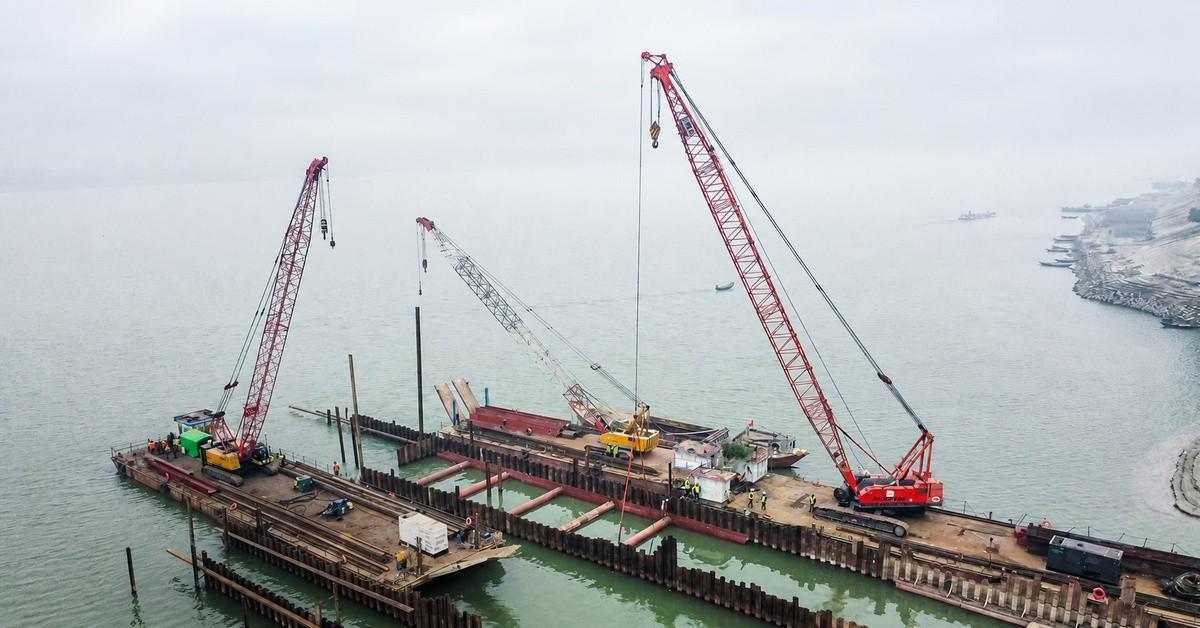
In riverbank or coastal projects, floating equipment or barges may be required. These arrangements significantly increase the initial project cost, even before installation begins.
4. Installation Inefficiencies
Execution on-site rarely goes exactly as planned.
Small inefficiencies during installation can accumulate into large cost increases:
- Misalignment of sheet piles requiring re-driving
- Interlock damage causing delays
- Inconsistent penetration depth
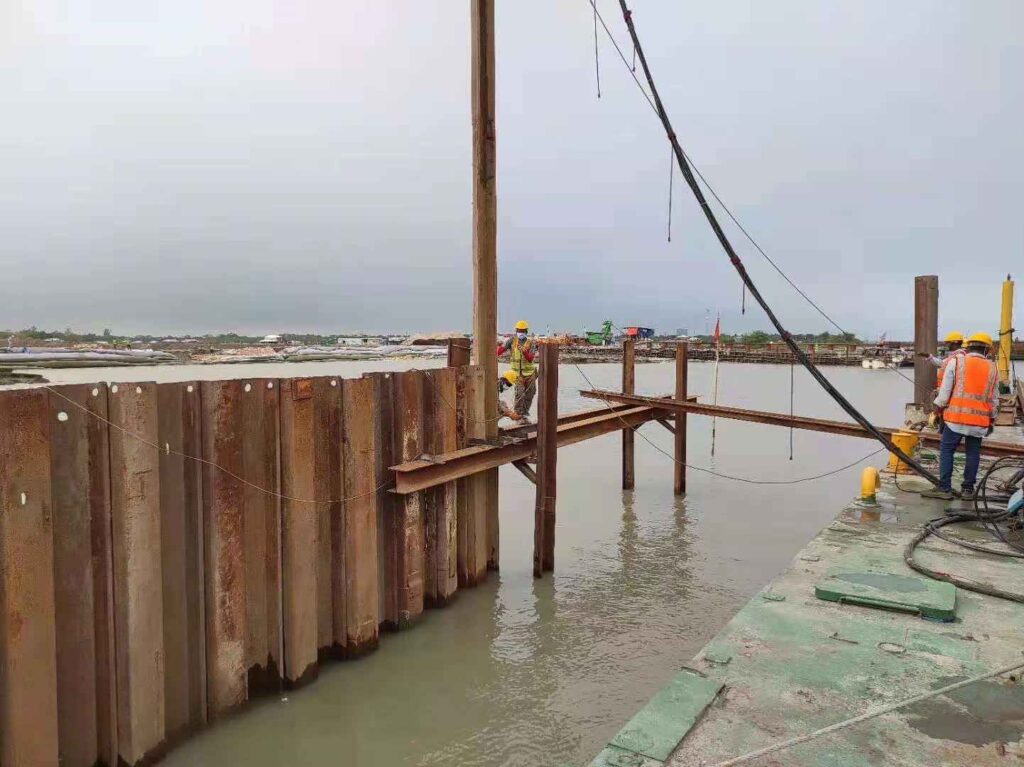
Soft soil conditions make alignment control difficult. Piles may drift or tilt, requiring correction. Each correction consumes time, fuel, and labor.
Even a 10–15% drop in installation efficiency can increase overall project cost by a noticeable margin, especially in large-scale operations.
5. Water Management and Dewatering
In most sheet piling projects, water is a constant factor.
High groundwater levels create pressure behind the wall. Without proper dewatering systems, excavation becomes difficult and unsafe.
Costs increase due to:
- Pump installation and operation
- Continuous monitoring
- Backup systems during heavy rainfall
If water control fails, rework becomes necessary. Flooded excavation zones can delay progress and damage partially completed work.
6. Design Adjustments During Execution
Even well-prepared designs often require changes once work starts.
Common adjustments include:
- Increasing pile length
- Adding support systems such as anchors or struts
- Changing installation methods
These changes are rarely part of the initial budget. They occur due to real site conditions that differ from design assumptions.
In many large-scale projects, design revisions account for nearly 10–20% of additional costs.
7. Labor and Supervision Gaps
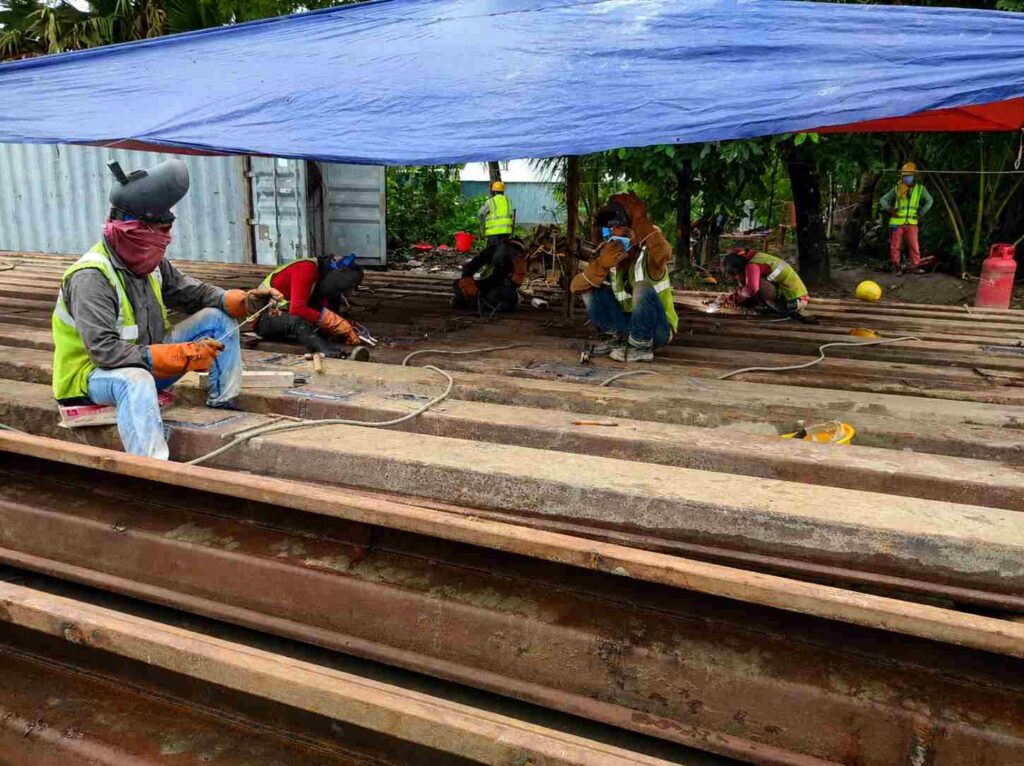
Skilled labor plays a key role in sheet piling work. Inexperienced teams can slow down progress and increase errors.
Issues often include:
- Improper handling of interlocks
- Poor alignment control
- Lack of coordination between equipment operators and engineers
Supervision gaps make the situation worse. Without proper monitoring, small mistakes go unnoticed until they become major problems.
Correcting these mistakes later costs far more than preventing them.
8. Environmental and Regulatory Requirements
Large-scale projects must follow environmental and safety regulations.
In many cases, additional costs arise from:
- Noise and vibration control measures
- Environmental protection systems
- Permits and compliance checks
Projects near urban or industrial zones may require extra monitoring. These requirements are often underestimated during budgeting.
9. Material Quality and Supply Delays
Sheet piles must meet specific strength and durability standards.
If low-quality materials are used, problems appear during installation:
- Interlock failure
- Bending or deformation
- Reduced structural performance
Supply delays also affect project cost. When materials do not arrive on time, equipment and labor remain idle.
Reliable sourcing and quality control are critical to avoid these losses.
10. Project Delays and Time Extensions
Time is one of the biggest cost drivers in any construction project.
When timelines extend, costs increase due to:
- Extended equipment rental
- Additional labor wages
- Site management expenses
Delays often come from a combination of the factors mentioned earlier. Once the schedule slips, recovering lost time becomes expensive.
Reports from regional construction projects indicate that time overruns can increase total project cost by 25% or more.
Final Thoughts
Large-scale sheet piling projects do not fail because of one major mistake. Costs rise due to multiple small factors that build up over time.
Most of these cost drivers are predictable. They can be controlled with proper planning, accurate soil data, skilled execution, and experienced project management.
Choosing the right contractor also plays a major role. A team with real project experience can identify risks early and manage them before they turn into financial problems.If you are planning a project and want to avoid unnecessary cost increases, working with professionals who understand ground conditions and execution challenges is critical. You can learn more about sheet pile driving services in Bangladesh to ensure your project stays within control from start to finish.