
Let's See The Topics
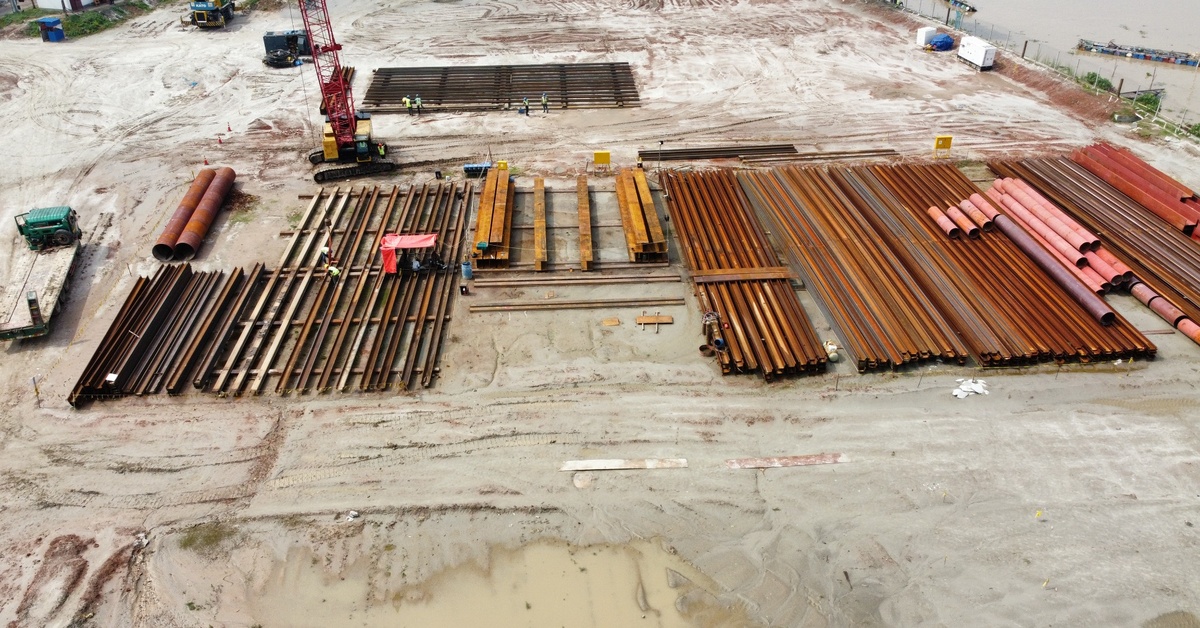
Sheet piling is often selected for projects near rivers, coastal zones, and low-lying industrial areas. These locations usually have soft soil layers, high water tables, and unstable ground conditions. On paper, sheet piles look like a straightforward solution. In reality, many projects face delays, cost overruns, or structural issues because the soil behavior was not fully understood from the start.
Soft soil is not just “weak ground.” It behaves differently under pressure, especially when water content is high. If the design and execution do not match those conditions, failure becomes a real possibility.
This article breaks down where things go wrong and why many sheet pile projects struggle in soft soil environments.
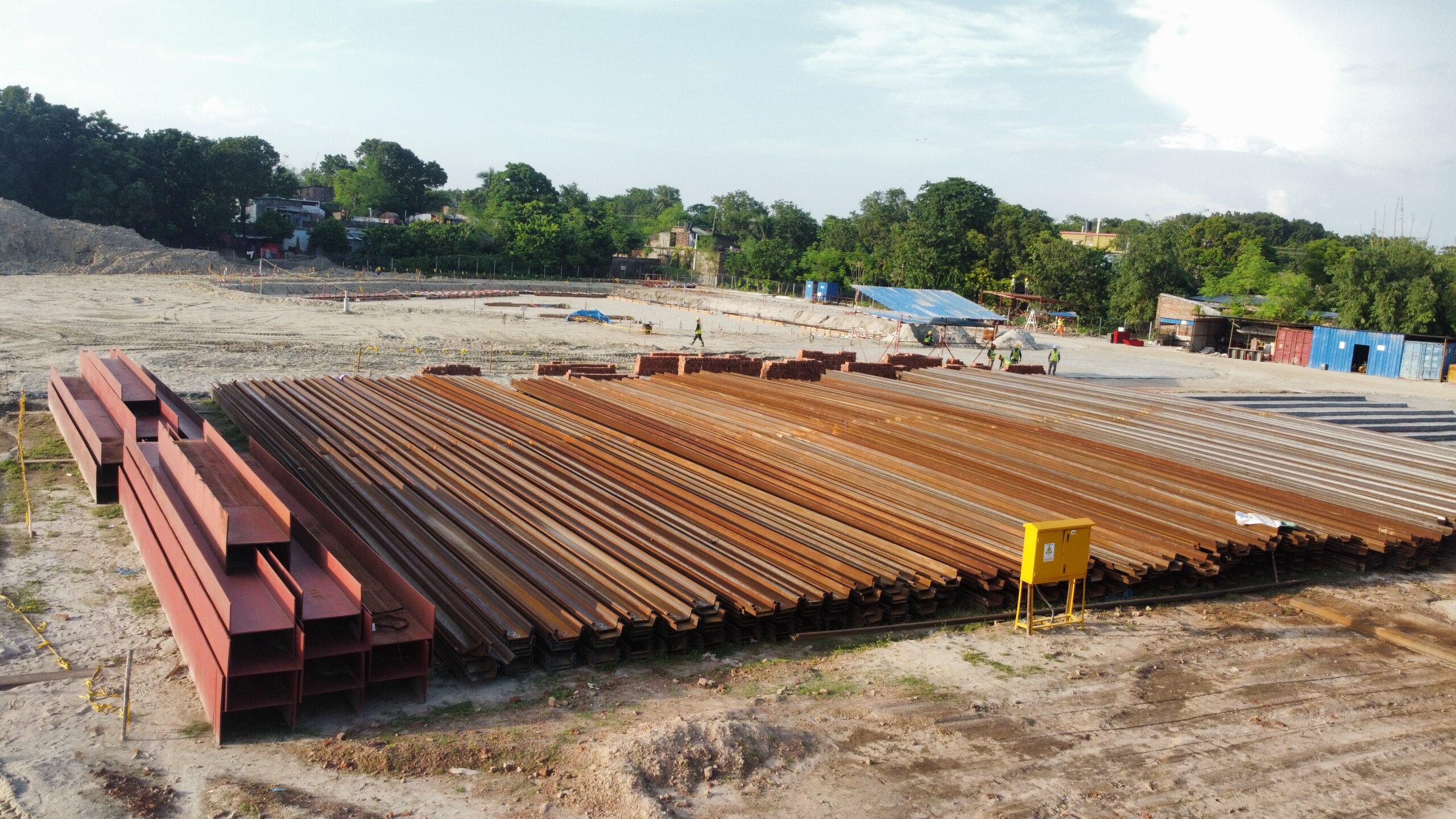
One of the biggest issues starts before construction even begins. Many failures trace back to poor or limited soil investigation.
Soft soils such as clay, silt, or loose sand have low shear strength. They cannot resist lateral pressure the same way dense soil can. When sheet piles are driven into this type of ground, the surrounding soil may not provide enough support to keep the structure stable.
In several South Asian infrastructure projects, geotechnical reports were either incomplete or based on limited borehole data. A study published by regional engineering consultants showed that nearly 35% of foundation-related failures were linked to insufficient soil investigation.
When soil strength is overestimated, the design becomes weaker than required. That leads to bending, tilting, or even collapse under pressure.
Even with proper soil data, design mistakes still happen.
In soft soil conditions, sheet piles must resist both earth pressure and water pressure. If the embedment depth is too shallow, the structure loses its ability to stay anchored. If the section modulus is not strong enough, the piles may bend under load.
Design errors often include:
In many failed cases, engineers relied on general assumptions instead of project-specific calculations. Soft soil does not forgive these shortcuts.
Soft soil conditions usually come with high groundwater levels. Water pressure behind the sheet pile wall can increase rapidly, especially during heavy rainfall or tidal changes.
If drainage is not handled properly, hydrostatic pressure builds up. This pressure pushes against the wall and weakens stability.
Another common issue is seepage. Water can flow through gaps or beneath the sheet piles, carrying fine soil particles with it. Over time, this leads to erosion and loss of ground support.
Field reports indicate that water-related issues contribute to nearly 25% of sheet pile failures in coastal and RIVER-adjacent projects.
Driving sheet piles into soft soil is not as simple as it sounds. The ground may not provide enough resistance, which creates alignment problems.
Common installation issues include:
In soft clay, piles can move sideways during driving. In loose sand, they may sink too quickly without proper alignment control.
If the installation process is not closely monitored, even a good design can fail due to execution errors.
Vibratory hammers are often used to install sheet piles. In soft soil areas, vibration travels more easily through the ground.
This can create risks for nearby structures:
In urban or industrial zones, these risks become serious. Several projects have faced legal and financial consequences due to vibration-related damage.
Sheet piles alone are not always enough, especially in deep excavations.
In soft soil, additional support systems such as struts, anchors, or tie rods are often required. Without these, the wall may deflect under pressure.
A common mistake is delaying the installation of bracing systems. During that gap, soil movement begins, and the structure loses stability.
Technical factors are not the only reason for failure. Planning and coordination also play a major role.
Issues often include:
In complex projects, even small delays can lead to major structural risks.
Soft soils are known for settlement over time. Even after installation, the ground continues to compress under load.
If long-term settlement is not considered, problems may appear months after project completion:
Engineers must consider both short-term and long-term soil behavior when designing sheet pile systems.
Not all sheet piles are manufactured to the same standard.
Low-quality steel or poorly fabricated interlocks can weaken the entire system. In soft soil conditions, where the margin for error is already low, material quality becomes critical.
Using certified suppliers and proper inspection processes is necessary to avoid this risk.
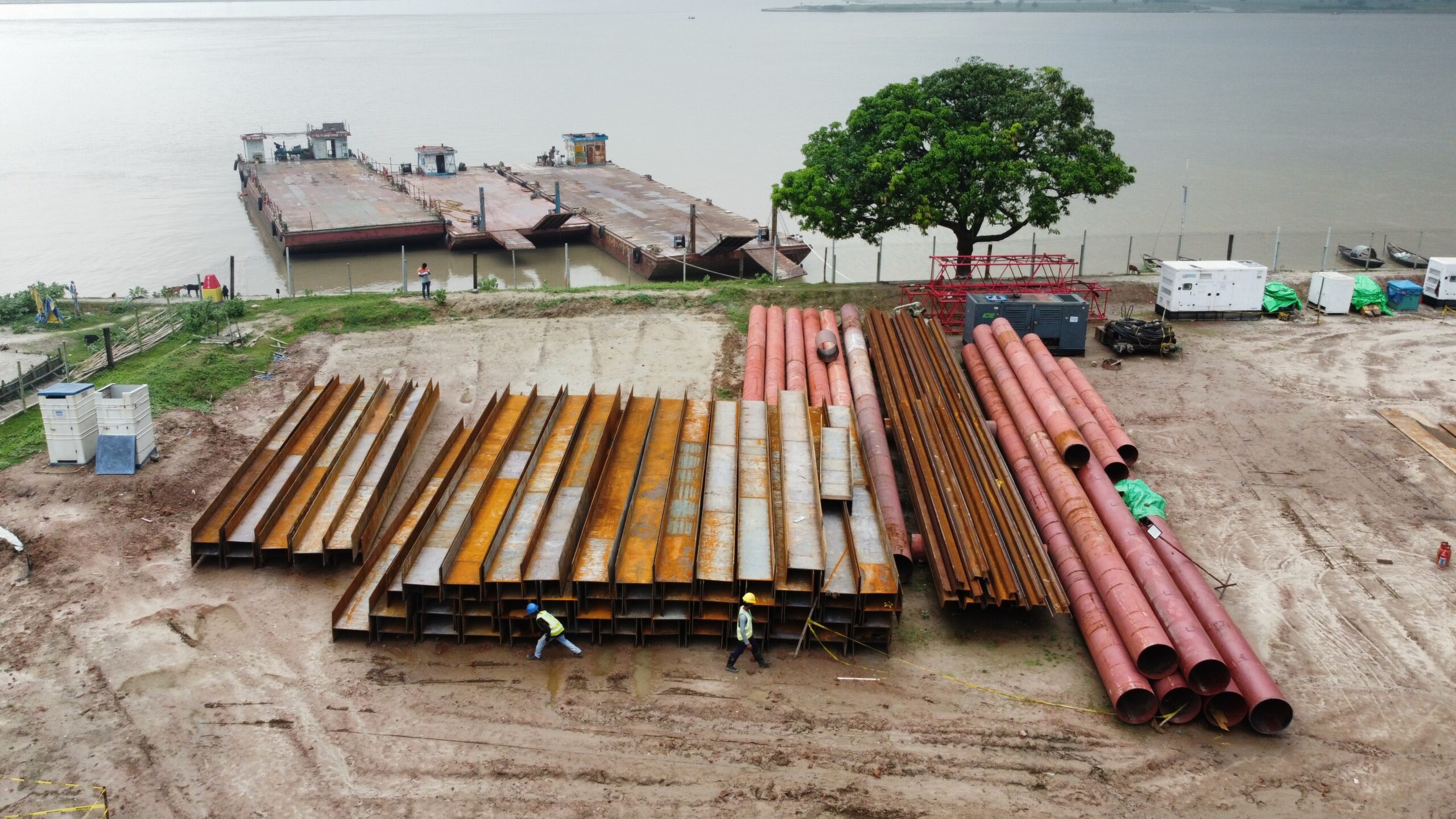
Sheet pile failures in soft soil conditions are rarely caused by a single mistake. They usually result from a combination of design gaps, soil misjudgment, and execution issues.
Projects located in riverbanks, coastal zones, or reclaimed land require a higher level of planning and expertise. Every stage—from soil testing to installation—must be handled with precision.
If you are planning a project in such conditions, working with experienced professionals is not optional. It directly affects project safety, cost, and timeline.
For reliable execution and expert support, you can explore professional sheet pile services in Bangladesh that are aligned with real site conditions and project requirements.
Need production capacity details, pricing, or technical guidance?
Our Engineer is ready to assist you with:
Eng. Israt Fatema Shupti
Phone / WhatsApp: +880 173 333 1042
Email: [email protected]
Head of Business: +880 173 333 1033