
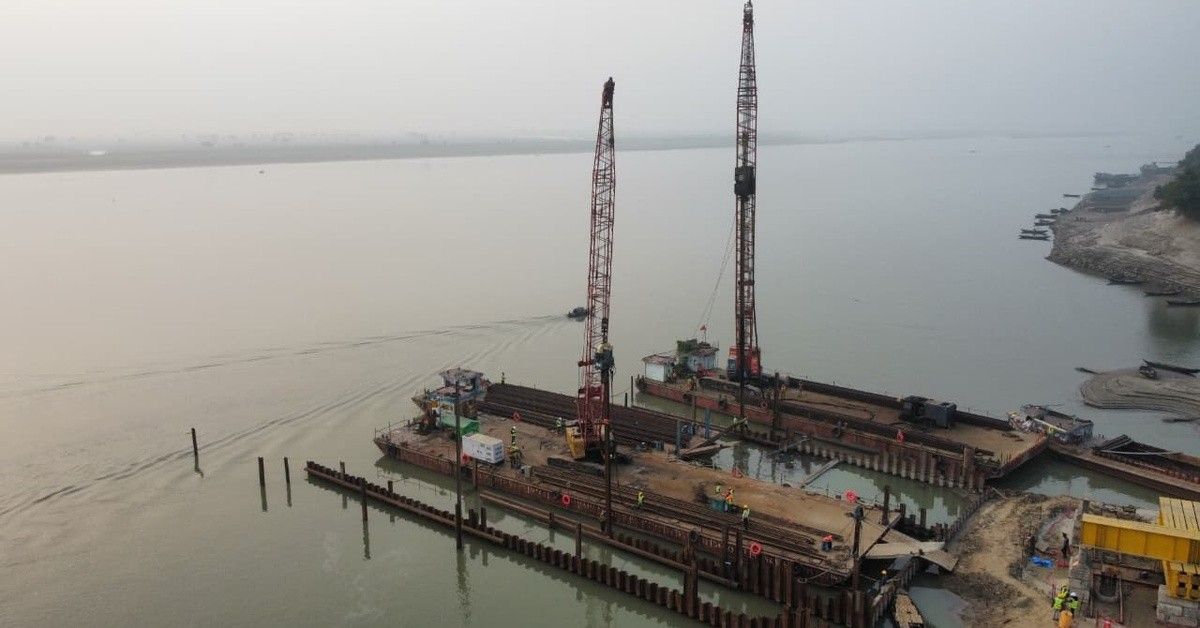
Design Errors That Cause Water Leakage in Sheet Pile Works
Let's See The Topics
Design Miscalculations That Lead to Water Leakage Issues
Water leakage is one of the most common and costly problems in sheet piling projects. It does not always appear during installation. In many cases, it shows up later, when excavation begins or when the structure is already under load. By that point, fixing the issue becomes expensive and time-consuming.
Most leakage problems are not random. They are linked to design decisions made early in the project. Small miscalculations in soil data, pressure assumptions, or structural detailing can create pathways for water to enter.
This article explains where those mistakes usually happen and why they lead to leakage in real project conditions.
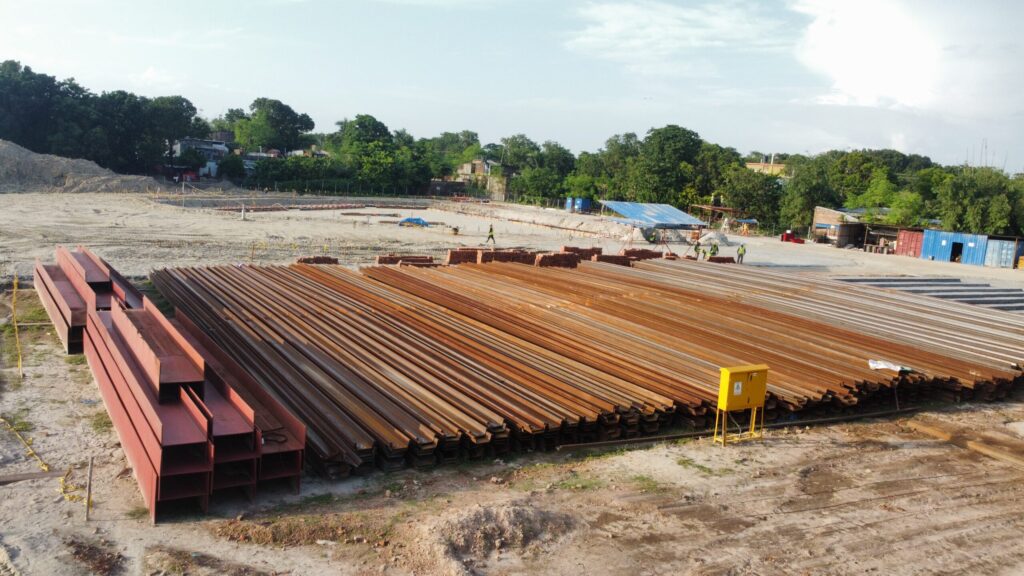
1. Underestimating Hydrostatic Pressure
Water exerts pressure in all directions. In areas with high groundwater levels, this pressure can become significant.
One of the most common design mistakes is underestimating hydrostatic pressure behind the sheet pile wall. When pressure is higher than expected, water forces its way through joints, gaps, or even beneath the wall.
This problem becomes more serious in:
- Riverbank projects
- Coastal areas
- Sites with seasonal water level changes
Engineering reviews from regional infrastructure projects suggest that nearly 30% of leakage-related issues are linked to incorrect water pressure calculations.
When pressure is not properly accounted for, even well-installed sheet piles can fail to keep water out.
2. Inadequate Embedment Depth
Embedment depth plays a critical role in controlling water movement.
If sheet piles are not driven deep enough, water can flow underneath the structure. This is known as seepage or piping. Over time, it can carry soil particles with it, weakening the ground and increasing the risk of collapse.
Designers sometimes reduce embedment depth to cut costs or simplify installation. This decision often leads to long-term problems.
In soft soil conditions, deeper penetration is usually required to create an effective cutoff against water flow.
3. Ignoring Soil Permeability
Not all soil behaves the same way when exposed to water.
Some soils, like clay, resist water movement. Others, like sand or silt, allow water to pass through easily. If soil permeability is not properly considered during design, leakage becomes likely.
For example:
- Designing for clay conditions when the site contains sandy layers
- Ignoring mixed soil profiles
- Overlooking underground water channels
Studies indicate that projects with mixed soil conditions face nearly 40% higher risk of seepage-related issues.
Accurate soil testing and proper interpretation are essential to avoid this mistake.
4. Weak Interlock Design and Sealing Assumptions
Sheet piles are connected through interlocks. These joints are critical for maintaining a continuous barrier.
Designers sometimes assume that interlocks will remain watertight under all conditions. In reality, gaps can form due to:
- Manufacturing tolerances
- Installation misalignment
- Soil pressure movement
Without proper sealing measures, water can pass through these joints.
In high-pressure environments, relying only on standard interlocks is not enough. Additional sealing methods such as bitumen, welding, or special sealants may be required.
5. Overlooking Construction Tolerances
Designs are often based on ideal conditions. On-site execution rarely matches those exact values.
Even small deviations during installation can create leakage paths:
- Slight misalignment between piles
- Uneven driving depth
- Minor gaps at joints
If the design does not allow for these tolerances, the structure becomes vulnerable.
Field observations show that construction deviations contribute to nearly 20% of leakage cases, especially in large-scale projects.
6. Lack of Proper Drainage Planning
Water pressure builds up when there is no way for it to escape.
In many designs, drainage systems are either underestimated or completely ignored. Without proper drainage:
- Water accumulates behind the wall
- Pressure increases over time
- Leakage becomes unavoidable
Drainage solutions such as weep holes, drainage layers, or controlled pumping systems should be part of the initial design.
Ignoring this aspect shifts the problem from prevention to repair, which is far more costly.
7. Misjudging External Load Impact
Sheet piles do not only deal with water pressure. External loads from nearby structures, traffic, or stored materials also affect performance.
When these loads are not properly included in the design:
- The wall may deflect
- Interlocks may loosen
- Gaps may form
These changes create openings for water to enter.
In industrial zones, where heavy equipment and storage loads are common, this factor becomes critical.
8. Failure to Consider Long-Term Ground Movement
Soil does not remain static after installation. Over time, it settles, shifts, and reacts to environmental conditions.
If long-term movement is not considered:
- Sheet piles may shift slightly
- Interlocks may open
- Sealing systems may weaken
These changes often occur gradually, which is why leakage sometimes appears months after project completion.
9. Inadequate Design Review and Coordination
In complex projects, design involves multiple teams. Lack of coordination can lead to gaps in planning.
Common issues include:
- Geotechnical data not fully integrated into structural design
- Drainage systems designed separately from piling systems
- Execution constraints not considered during design
These disconnects increase the chance of miscalculations.
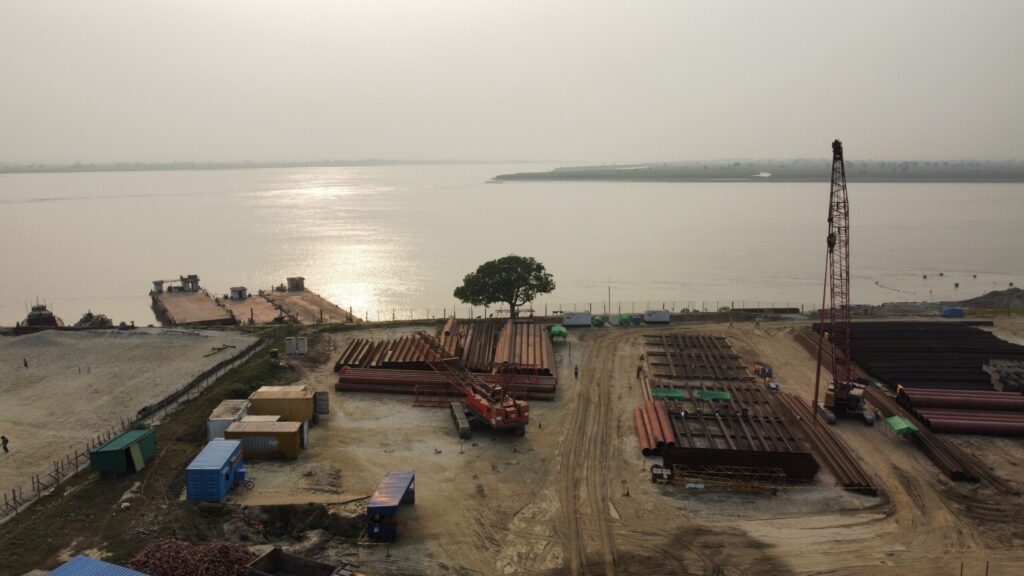
Final Thoughts
Water leakage in sheet piling projects is rarely caused by a single factor. It is usually the result of multiple design decisions that fail to match real site conditions.
Accurate soil data, proper pressure calculations, and realistic execution planning are all necessary to prevent these issues. Once leakage starts, fixing it becomes far more expensive than preventing it.For projects where water control is critical, working with experienced professionals makes a measurable difference. If you are planning such work, it is worth reviewing reliable sheet pile driving services in Bangladesh that focus on both design accuracy and site execution.