
Vibration Impact During Sheet Piling and Structural Risks Nearby
Let's See The Topics
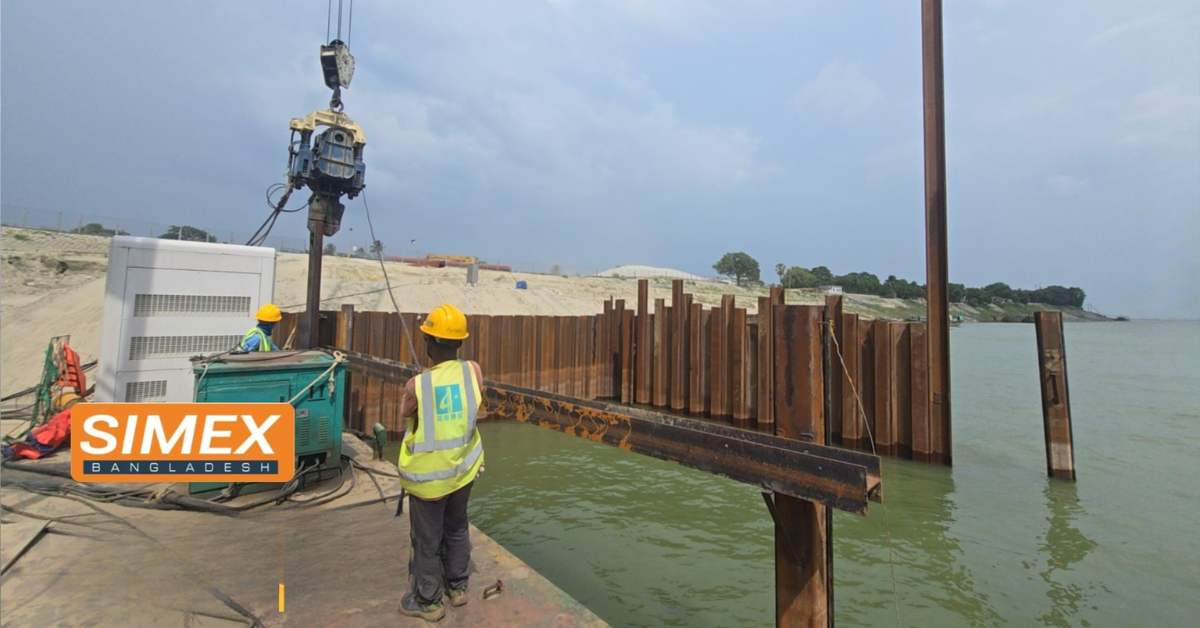
Sheet piling is widely used in riverbank protection, deep excavation, marine construction, and industrial projects. The process often involves vibratory hammers or impact hammers to drive steel sheets into the ground. While this method is common in construction, it can create serious concerns when existing buildings or infrastructure are located nearby.
Vibration generated during sheet piling does not remain limited to the installation point. It travels through soil and affects surrounding structures. In some projects, the effects are minor. In others, the damage becomes costly and difficult to repair.
Many contractors focus heavily on installation speed and equipment performance. Less attention is given to how vibration interacts with nearby foundations, underground utilities, and weak structures. This is where risks begin.
Why Vibration Happens During Sheet Piling
During sheet pile installation, heavy equipment transfers repeated energy into the ground. Vibratory hammers use high-frequency movement to reduce soil resistance, allowing piles to penetrate the soil more easily.
This process creates ground vibration waves. The intensity depends on several factors:
- Soil condition
- Equipment size
- Installation depth
- Distance from nearby structures
- Duration of piling activity
Soft soil usually transmits vibration differently than dense soil. In loose or water-saturated ground, vibration can spread farther than expected.
Engineering reports from urban infrastructure projects show that construction vibration complaints have increased by nearly 28% in densely developed areas over the last decade.
Structural Cracks Near Construction Zones
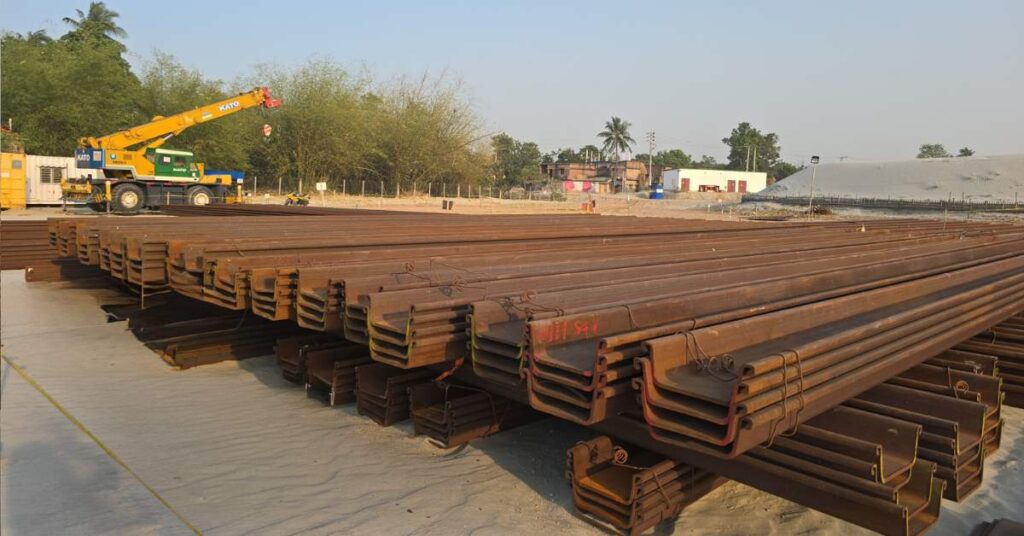
One of the most common concerns is cracking in nearby buildings.
These cracks often appear in:
- Walls
- Floors
- Ceiling joints
- Masonry sections
Older buildings are more vulnerable because their structural systems may already contain weak points. Repeated vibration places stress on those areas.
In many situations, property owners notice small cracks first. Over time, continued piling activity can widen those cracks and create structural instability.
Not every crack is dangerous. Some are cosmetic. Others indicate movement within the structure itself. Proper monitoring is necessary to identify the difference.
Ground Settlement Problems
Vibration can disturb soil particles beneath nearby structures. This disturbance may reduce soil density or shift underground support conditions.
When that happens, settlement occurs.
Settlement becomes more serious in:
- Soft clay areas
- Loose sandy soil
- Waterlogged ground conditions
Buildings located close to piling zones may experience uneven settlement, causing:
- Floor tilting
- Foundation movement
- Door and window misalignment
A regional construction monitoring study found that nearly 18% of vibration-related complaints involved minor settlement issues around excavation and piling sites.
Risk to Underground Utilities
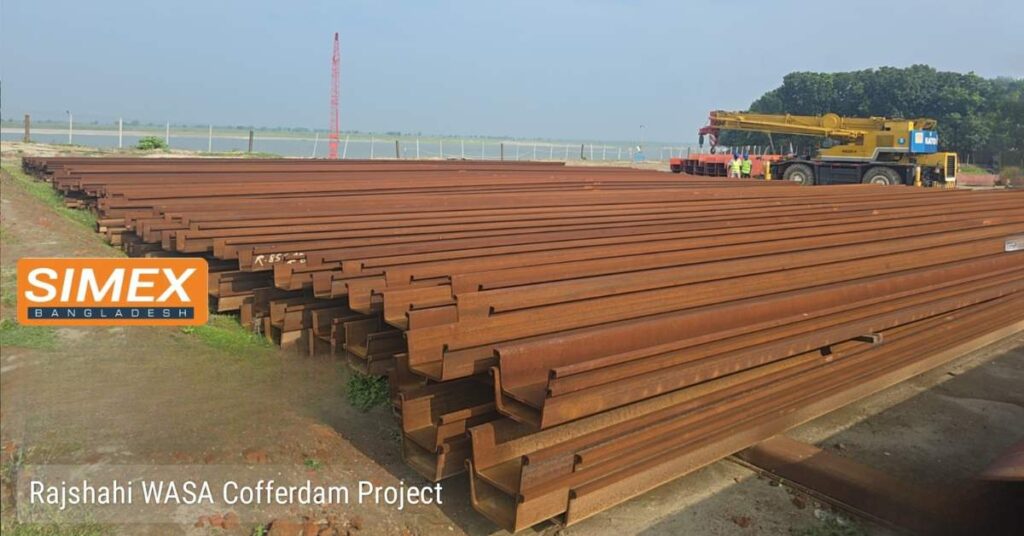
Underground pipelines and utility systems are often overlooked during sheet piling operations.
Water lines, gas pipes, drainage systems, and communication cables can all be affected by vibration. Repeated ground movement may loosen joints or create small shifts in buried infrastructure.
This risk increases in older industrial areas where utility mapping is incomplete.
Damage to underground systems creates additional costs through:
- Emergency repairs
- Project delays
- Service interruptions
In some projects, utility-related issues become more expensive than the piling work itself.
Soil Liquefaction in Saturated Conditions
In highly saturated sandy soil, excessive vibration may lead to temporary loss of soil strength. This condition is known as liquefaction.
When soil behaves like a liquid under vibration, nearby structures lose stable support. Though this does not happen in every project, the risk becomes higher in coastal or riverbank areas.
Signs of soil instability may include:
- Sudden settlement
- Surface cracking
- Excessive water seepage
Projects near ports or reclaimed land require detailed soil assessment before piling begins.
Equipment Selection and Vibration Levels
Not all piling equipment creates the same level of vibration.
Large vibratory hammers generate stronger ground movement than smaller systems. Impact hammers can create shock waves that travel deeper through the soil.
Poor equipment selection is a common issue in urban projects. Contractors sometimes prioritize production speed over environmental impact.
Modern monitoring reports indicate that high-capacity vibratory systems can produce vibration levels exceeding safe limits for sensitive structures within short distances.
This is why equipment choice should depend on surrounding site conditions, not only project deadlines.
Lack of Pre-Construction Structural Assessment
Many disputes begin because no proper condition survey was conducted before construction started.
Without documentation, it becomes difficult to determine:
- Whether cracks existed earlier
- If settlement was already present
- Which damage is directly linked to piling activity
Pre-construction surveys help reduce legal disputes and project complications.
These assessments usually include:
- Photographic records
- Crack mapping
- Foundation inspection
- Structural condition reports
Projects near residential or industrial structures should never skip this step.
Monitoring Failures During Execution
Monitoring vibration levels during sheet piling is critical. In many cases, contractors either avoid monitoring completely or perform it inconsistently.
Without monitoring equipment, there is no clear data showing:
- Ground vibration intensity
- Peak particle velocity
- Structural response
Continuous monitoring allows engineers to react early if vibration exceeds acceptable limits.
Industry guidance often recommends vibration monitoring for projects located within close proximity to existing buildings or sensitive infrastructure.
Planning and Communication Problems
Technical issues are only part of the problem. Communication gaps also increase risk.
Property owners, nearby businesses, and project stakeholders should understand:
- Expected vibration levels
- Work schedules
- Safety measures
Lack of communication often creates panic, complaints, and conflict during construction.
Clear planning reduces misunderstandings and helps maintain project continuity.
Final Thoughts
Vibration during sheet piling is not just a technical issue. It affects structures, utilities, project budgets, and public confidence.
The risk becomes higher in urban zones, industrial areas, and soft soil environments where nearby structures are already vulnerable. Careful planning, proper equipment selection, soil assessment, and vibration monitoring all play a major role in reducing these problems.
Experienced contractors understand that sheet piling is not only about driving steel into the ground. It is also about controlling the impact on everything surrounding the site.For projects requiring careful execution near existing structures, working with experienced professionals matters. You can learn more about reliable Sheet pile driving services in Bangladesh for industrial and infrastructure projects handled under real site conditions.