
Planning Errors That Increase Marine Construction Costs
Let's See The Topics
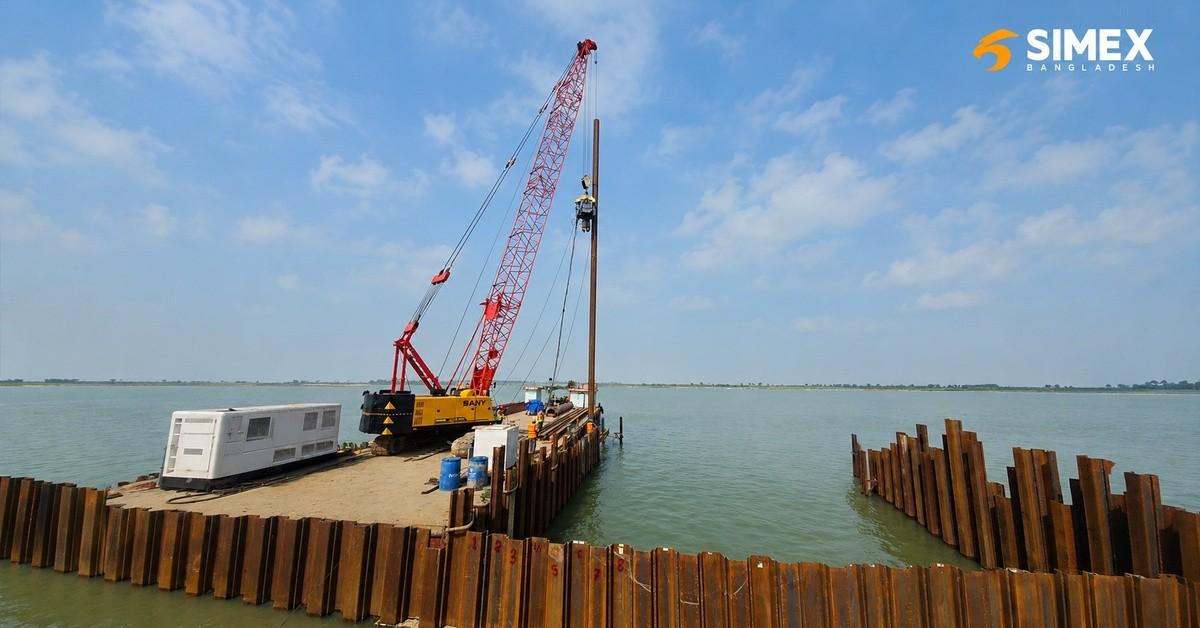
Marine construction projects are among the most expensive and technically demanding operations in the infrastructure sector. Jetty construction, riverbank protection, marine piling, dredging support, and waterfront development all involve conditions that are difficult to control compared to land-based projects.
Because of that, planning becomes one of the most critical stages of the entire operation.
When marine projects face budget overruns, the problem is often linked to early-stage planning mistakes rather than execution alone. Small gaps in scheduling, soil assessment, logistics coordination, or equipment preparation can gradually create serious financial pressure.
Many project owners focus heavily on material pricing and contractor selection while overlooking hidden planning risks that affect the total project cost.
This article explains the most common planning errors that increase marine construction expenses and why these issues continue to affect large infrastructure projects.
Incomplete Site Investigation Creates Expensive Adjustments
One of the biggest planning failures in marine construction is inadequate site investigation.
Marine environments are unpredictable. Soil conditions below water often vary within short distances. Riverbeds shift over time, and underwater obstructions may remain hidden until work begins.
When investigation work is limited, projects face:
- Incorrect pile depth assumptions
- Weak bearing layer identification problems
- Unexpected dredging requirements
- Equipment mismatch during execution
Once construction begins, correcting these problems becomes expensive.
A regional infrastructure review found that marine projects with incomplete geotechnical analysis experienced cost increases between 18% and 35% during execution phases.
Additional soil testing after mobilization also creates delays, equipment standby costs, and redesign expenses.
Poor Scheduling Around Weather Conditions
Weather affects marine construction far more than standard land projects.
Tides, current flow, heavy rainfall, cyclones, fog, and rough water conditions all impact working hours and equipment movement.
Many projects fail because schedules are prepared without realistic environmental allowances.
For example:
- Barge movement becomes unsafe during rough water conditions
- Crane operations stop during strong wind conditions
- Concrete work gets delayed during heavy rainfall
In river and coastal construction zones, weather-related downtime is unavoidable. The problem starts when planners ignore those realities during budgeting and scheduling.
Industry observations suggest that weather-related interruptions contribute to nearly 20% of schedule extensions in marine infrastructure work.
Projects that ignore seasonal patterns often suffer the highest financial impact.
Equipment Planning Mistakes Increase Idle Costs
Marine construction depends heavily on specialized machinery.
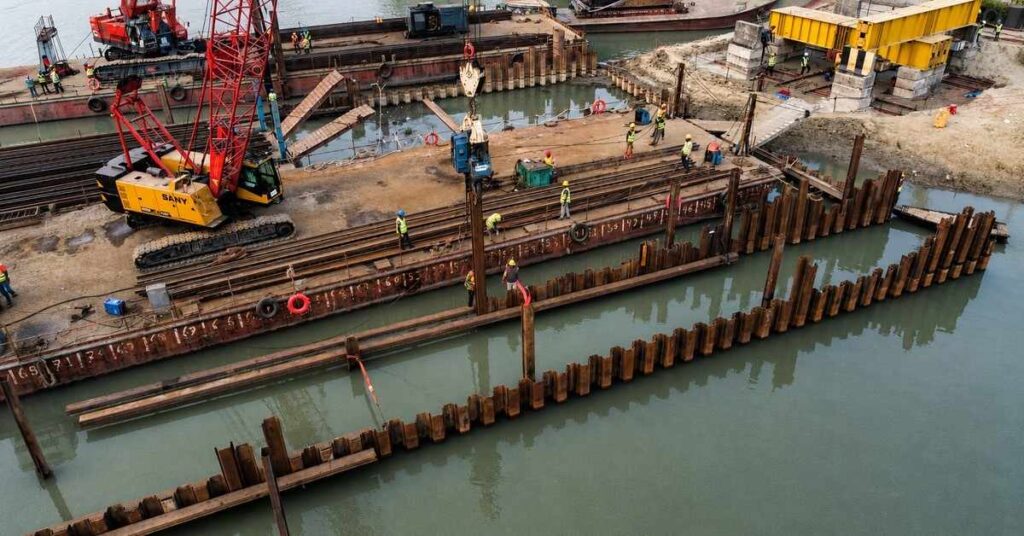
Floating cranes, piling rigs, barges, tugboats, and marine support systems require careful coordination. If equipment arrives late or remains idle, project costs rise immediately.
Common equipment planning problems include:
- Mobilizing equipment before the site is ready
- Renting oversized machinery for smaller operations
- Delayed maintenance preparation
- Inadequate backup systems for breakdown situations
Unlike regular construction equipment, marine machinery usually carries high operational costs even when inactive.
A single idle crane barge can create daily expenses that continue regardless of site productivity.
Poor equipment planning also affects fuel logistics, manpower coordination, and material handling operations.
Weak Logistics Coordination Delays the Entire Workflow
Marine construction sites often operate in difficult locations where transport access is limited.
Materials may need to arrive through:
- River transport systems
- Temporary marine platforms
- Remote coastal access routes
If logistics planning is weak, construction flow slows down quickly.
Some common logistics-related problems include:
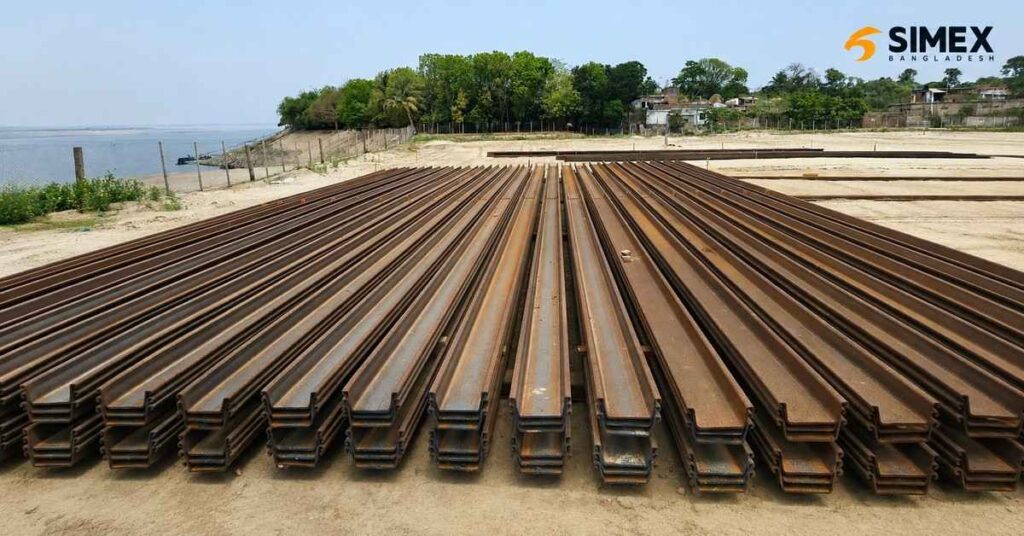
- Delayed steel delivery
- Limited unloading facilities
- Congested marine transport routes
- Poor coordination between suppliers and site teams
In many projects, construction crews remain inactive because one material shipment failed to arrive on time.
Marine projects operate through connected workflows. One delayed component can affect multiple activities at once.
Unrealistic Budget Planning Creates Financial Pressure
Some project budgets are prepared mainly to secure approvals rather than reflect real construction conditions.
This creates problems later when:
- Equipment costs rise unexpectedly
- Additional safety requirements appear
- Material prices fluctuate
- Work duration extends beyond the planned timeline
Marine construction involves more uncertainty than land-based work. Budget planning must account for operational risks from the beginning.
Several marine infrastructure studies show that projects with aggressive low-budget planning experience higher rates of mid-project financial restructuring.
Cost control becomes difficult once execution is already underway.
Poor Coordination Between Design and Site Teams
Design teams and field teams often work separately during early project stages.
This disconnect creates major execution problems later.
Some common coordination failures include:
- Designs prepared without considering actual marine access limitations
- Pile layouts conflicting with underwater obstructions
- Construction sequencing issues affecting barge movement
- Safety zones interfering with crane operations
Marine environments leave little room for adjustment once equipment mobilization begins.
If execution teams identify design conflicts late, project costs rise through:
- Redesign work
- Equipment relocation
- Material modification
- Schedule delays
Projects with strong coordination between engineers and site supervisors generally maintain better cost control throughout execution.
Safety Planning Is Often Underestimated
Marine construction involves high-risk operations near water, heavy lifting zones, and unstable working platforms.
Safety planning failures increase both operational risk and financial loss.
Common safety-related planning gaps include:
- Insufficient emergency response preparation
- Poor worker access systems
- Inadequate marine traffic management
- Weak weather monitoring procedures
Accidents and safety shutdowns create:
- Investigation delays
- Legal complications
- Equipment damage
- Insurance-related expenses
Reports from marine construction sectors indicate that projects with weak safety preparation face higher rates of schedule disruption and financial penalties.
Safety planning directly affects productivity and budget stability.
Underestimating Regulatory Approval Delays
Marine projects often require multiple government and environmental approvals.
Planning teams sometimes underestimate the time required for:
- Environmental clearance
- Waterway authority approval
- Port coordination permits
- Dredging permissions
When approvals are delayed, contractors face standby costs before actual work begins.
These delays affect:
- Equipment rental periods
- Labor scheduling
- Material storage expenses
Projects located near active waterways or environmentally sensitive areas usually face stricter review procedures.
Material Quality Problems Lead to Rework
Low-quality materials may appear cheaper during procurement stages. Long-term consequences often create much higher expenses.
Marine structures remain exposed to:
- Corrosion
- Water pressure
- Salt exposure
- Constant structural stress
If materials fail inspection during installation, rework becomes unavoidable.
Common problems include:
- Fabrication defects
- Corrosion-prone steel
- Poor concrete quality
- Incorrect pile dimensions
Replacing marine materials after mobilization is far more expensive than addressing quality during procurement.
Weak Communication Between Stakeholders
Marine projects usually involve:
- Project owners
- Contractors
- Engineers
- Marine authorities
- Local stakeholders
Without proper communication, confusion spreads across operations.
Issues often arise when:
- Schedule changes are not communicated properly
- Design updates fail to reach field teams
- Logistics teams receive incomplete information
These communication gaps create delays that gradually increase overall project costs.
Short-Term Decisions Create Long-Term Expenses
Some planning decisions focus too heavily on reducing initial expenses.
This often leads to:
- Lower investigation budgets
- Reduced supervision teams
- Inadequate safety preparation
- Cheaper equipment selection
Short-term savings frequently create larger operational losses later in the project lifecycle.
Marine construction requires long-term planning because correcting mistakes after mobilization becomes extremely difficult.
Final Thoughts
Marine construction projects become expensive when planning fails to match real site conditions.
Most cost overruns do not happen because of one major mistake. They develop gradually through scheduling gaps, weak coordination, incomplete investigation, and unrealistic budgeting.
Successful marine projects usually involve:
- Detailed soil and site analysis
- Realistic scheduling around weather conditions
- Proper equipment coordination
- Strong communication between all project teams
Planning is not only about creating timelines and budgets. It is about preparing for the unpredictable conditions that marine environments create during execution.
For industrial waterfront projects, marine piling operations, and river infrastructure development, working with an experienced Jetty construction company in Bangladesh helps reduce many of these operational and financial risks before construction begins.
SIMEX Bangladesh continues supporting marine infrastructure projects with field-focused planning, execution supervision, and marine construction expertise for complex project environments.