
The Impact of River Dynamics on Jetty Stability and Performance
Let's See The Topics
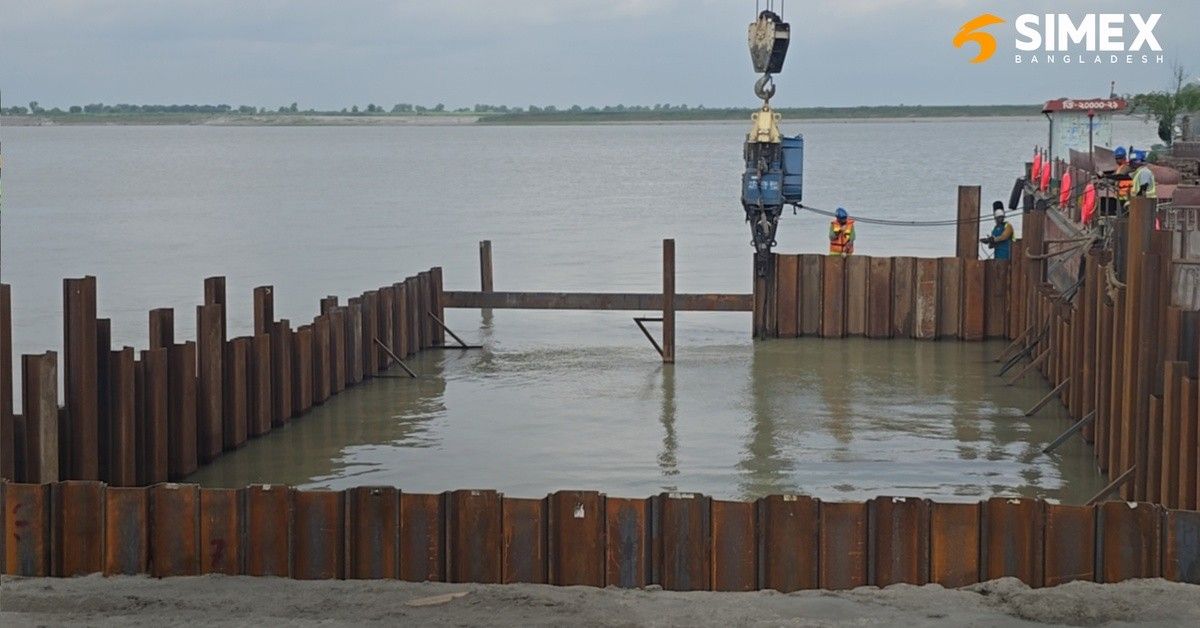
Jetty construction projects are built to support transportation, industrial activities, cargo handling, marine access, and waterfront infrastructure. While structural design receives considerable attention, one factor often creates long-term challenges beneath the surface: river dynamics.
Rivers are constantly changing systems. Water flow shifts, sediment moves, riverbeds change shape, and seasonal patterns alter hydraulic behavior. These natural movements directly influence jetty foundations and long-term structural performance.
Many jetty structures perform well during early operation stages but develop settlement, scour problems, structural movement, or maintenance issues years later because river behavior was underestimated during planning.
Understanding river dynamics is not only a hydraulic issue. It is directly connected to structural safety, maintenance cost, and project lifespan.
This article explains how changing river conditions affect jetty stability and why these factors require careful analysis before and after construction.
Rivers Never Stay Static
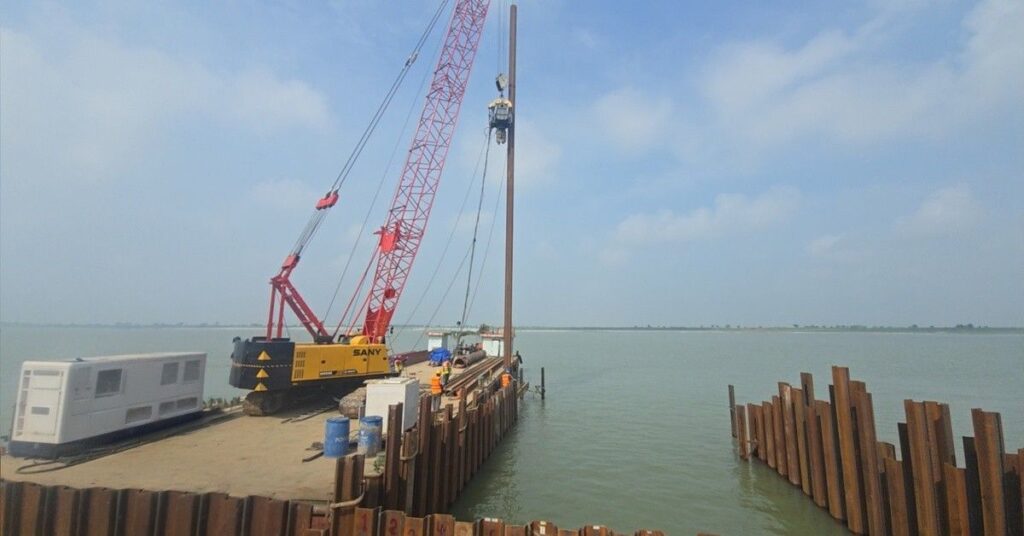
Unlike fixed land environments, rivers constantly reshape themselves.
Natural forces create ongoing changes through:
- Water discharge fluctuations
- Seasonal current variation
- Sediment movement
- Flood events
- Riverbank erosion
- Channel migration
Even when changes appear small, the impact on infrastructure can be substantial over time.
Studies involving large river systems indicate that river channel conditions can shift by 5–15% annually in sediment-heavy environments, affecting nearby structures and foundation performance.
Jetty projects located near active waterways face continuous exposure to these forces.
River Scour Creates Hidden Foundation Risks
Scour remains one of the biggest threats to jetty stability.
Scour occurs when flowing water removes soil or sediment around structural foundations. As river velocity increases, erosion beneath piles and support systems becomes more aggressive.
The danger with scour is that damage often happens below the water surface, where visual inspection becomes difficult.
Common areas affected include:
- Foundation pile locations
- Pier support zones
- Riverbank transition areas
- Water entry points near structures
Over time, soil loss reduces foundation support capacity.
Research from marine infrastructure projects suggests that foundation scour contributes to nearly 50% of long-term hydraulic structure failures globally.
Without proper monitoring, structural instability may remain unnoticed until visible movement begins.
Sediment Deposition Changes Water Flow Patterns
Erosion removes material from one location. Sediment deposition places it elsewhere.
Rivers transport enormous volumes of suspended particles, especially during rainy seasons and flood periods. These materials gradually settle in different sections of the channel.
Sediment buildup creates several concerns:
- Water pathways begin shifting
- Navigation depth changes
- Flow concentration increases near foundations
- Hydraulic pressure distribution becomes uneven
When deposition patterns change around a jetty, water movement behaves differently than originally predicted.
Projects designed around outdated river data often face long-term operational issues because flow patterns evolve after construction.
Seasonal Water Level Changes Affect Structural Loading
Many river systems experience major seasonal fluctuations.
During wet seasons:
- Water levels rise
- Flow velocity increases
- Sediment transport becomes stronger
- Hydraulic pressure rises
Dry seasons create different conditions:
- Lower water levels
- Reduced support from surrounding sediment
- Exposure of structural components
This repeated cycle creates loading changes throughout the year.
Jetty structures designed around average water conditions may experience unexpected stresses during seasonal extremes.
Infrastructure assessments show that seasonal hydraulic variation contributes to increased maintenance activity in approximately 30% of river-based marine structures.
Riverbank Erosion Weakens Nearby Structural Support
Riverbank movement creates another serious concern.
Continuous erosion near construction zones gradually alters surrounding soil conditions. Over time, nearby support areas weaken and become unstable.
This issue becomes critical for jetties connected to:
- Industrial access roads
- Storage facilities
- Loading areas
- Shore-based operational platforms
Riverbank retreat often develops slowly.
Some projects lose several meters of surrounding soil support over extended periods without immediate warning signs.
Once erosion reaches critical levels, repair work becomes difficult and expensive.
Flood Events Increase Structural Stress
Flood conditions create highly unpredictable hydraulic forces.
During major flood events:
- Current velocity rises sharply
- Floating debris strikes structures
- Water pressure increases
- Sediment transport intensifies
Foundation systems designed under regular operating conditions may face forces much higher than anticipated.
Regional hydraulic observations indicate that extreme river events can temporarily increase flow force by more than 200% compared to normal seasonal conditions.
Projects near flood-prone rivers require long-term hydraulic evaluation rather than relying only on average water behavior.
Changing River Channels Affect Jetty Positioning
River channels naturally migrate over time.
Channel migration occurs when flow direction gradually changes, creating new pathways and abandoning older routes.
This movement creates operational concerns such as:
- Reduced vessel accessibility
- Uneven water depth
- Foundation exposure
- Increased sediment accumulation
Structures initially positioned in favorable locations may become less suitable years later.
Historical river mapping often shows major channel movement over surprisingly short periods.
Ignoring migration trends during planning creates future operational challenges.
Weak Hydraulic Assessment During Planning
Many project delays and structural issues begin because hydraulic investigations receive limited attention during planning stages.
Some common assessment problems include:
- Short-term river studies
- Limited seasonal data collection
- Incomplete sediment analysis
- Poor flood modeling assumptions
Design decisions based only on temporary site observations create long-term uncertainty.
Marine engineers frequently focus heavily on structural calculations while river behavior analysis receives less attention.
For waterfront infrastructure projects, hydraulic assessment should receive the same level of attention as foundation design.
Human Activities Change River Behavior
River systems are also affected by human intervention.
Activities such as:
- Upstream dredging
- Sand extraction
- Dam construction
- Riverbank development
- Navigation channel modification
can alter water flow and sediment patterns.
Even projects located far from a jetty may gradually influence local river conditions.
Studies involving industrial waterways found that human intervention contributed to measurable hydraulic pattern changes in nearly 40% of monitored river corridors.
Long-term river monitoring becomes increasingly important as surrounding development expands.
Maintenance Costs Rise When River Behavior Is Ignored
Many marine structures appear stable during construction and early operation periods.
Problems often emerge later through:
- Foundation exposure
- Scour repair work
- Sediment removal operations
- Structural reinforcement needs
These maintenance activities create ongoing operational expenses.
In many cases, annual maintenance budgets increase because original river assessments underestimated long-term environmental behavior.
Preventive planning usually costs less than repeated repair operations over the structure lifecycle.
Engineering Decisions Must Reflect River Reality
Jetty construction is not only about concrete, steel, and pile installation.
Structures placed in active waterways interact continuously with changing environmental forces.
This is why engineers evaluate:
- Flow behavior
- Sediment transport patterns
- Historical river movement
- Seasonal conditions
- Flood frequency
before finalizing designs.
Projects that account for river behavior early often maintain stronger long-term performance.
For organizations developing marine infrastructure and waterfront facilities, working with an experienced Jetty construction company in Bangladesh provides field experience that connects structural design with real river conditions.
SIMEX Bangladesh continues supporting jetty and marine projects through planning, execution, and site-specific engineering evaluation.
Final Thoughts
River dynamics continue long after construction ends.
Water movement, erosion, sediment shifts, and hydraulic changes gradually influence structural behavior beneath and around a jetty. Most long-term failures are not linked to a single event. They develop slowly through repeated environmental interaction over years of operation.
Jetty stability depends not only on structural strength but also on understanding how rivers behave over time.
Projects that respect those natural forces often perform better, require less corrective work, and maintain longer service life.