
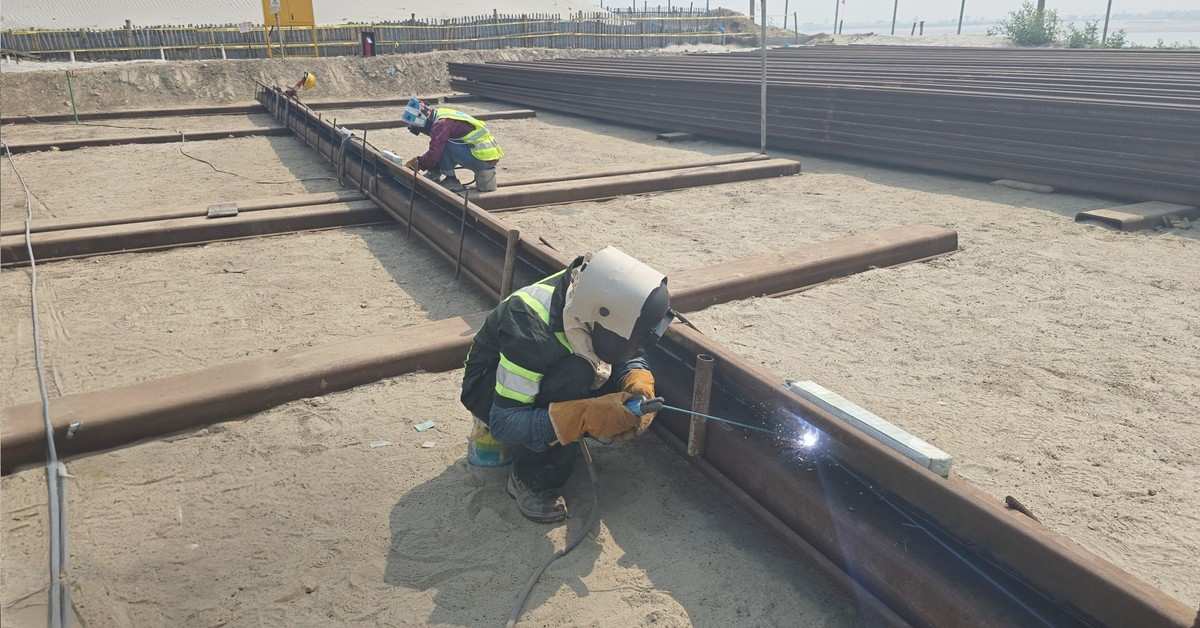
Why Jetty Construction Projects Frequently Miss Deadlines?
Let's See The Topics
Jetty construction projects are among the most difficult infrastructure works in the marine sector. Unlike standard land-based construction, jetty projects involve water conditions, tidal movement, unstable soil, marine equipment, and strict safety requirements.
Because of these conditions, delays are common.
Many projects begin with aggressive timelines that look achievable during planning stages. Once execution starts, site realities begin affecting progress. Weather interruptions, equipment issues, soil instability, and coordination failures quickly push deadlines beyond the original schedule.
For project owners, these delays create financial pressure, operational disruption, and contract-related complications.
This article explains the most common reasons jetty construction projects miss deadlines and why proper planning alone is often not enough.
Unpredictable Marine Conditions Slow Down Progress
Marine construction always depends heavily on environmental conditions.
Tides, river currents, waves, and seasonal weather changes directly affect working hours and equipment stability. In many projects, crews lose productive time because marine conditions suddenly become unsafe.
Unlike land construction, marine work cannot always continue during adverse conditions.
Strong current flow may affect:
- Pile alignment
- Crane positioning
- Barge stability
- Material transport operations
Weather-related interruptions are one of the biggest causes of delay in marine infrastructure projects. Industry observations suggest that marine weather conditions contribute to nearly 20–30% of project schedule overruns in coastal construction work.
Projects scheduled during monsoon seasons face even higher risks.
Poor Soil Investigation Creates Major Delays
Jetty structures depend heavily on foundation stability. Soil conditions below water are often more difficult to analyze than land-based sites.
Incomplete geotechnical investigation creates serious problems once piling begins.
Common issues include:
- Weak bearing layers
- Unexpected soft soil pockets
- Buried obstructions
- Uneven seabed conditions
When actual soil behavior differs from design assumptions, construction teams are forced to:
- Redesign pile depth
- Replace equipment
- Adjust foundation methods
Each adjustment affects both budget and project duration.
Many marine projects lose weeks or months because soil conditions were not fully understood during the early stage.
Delays in Marine Equipment Availability
Jetty construction depends on specialized equipment that is not always readily available.
Projects often require:
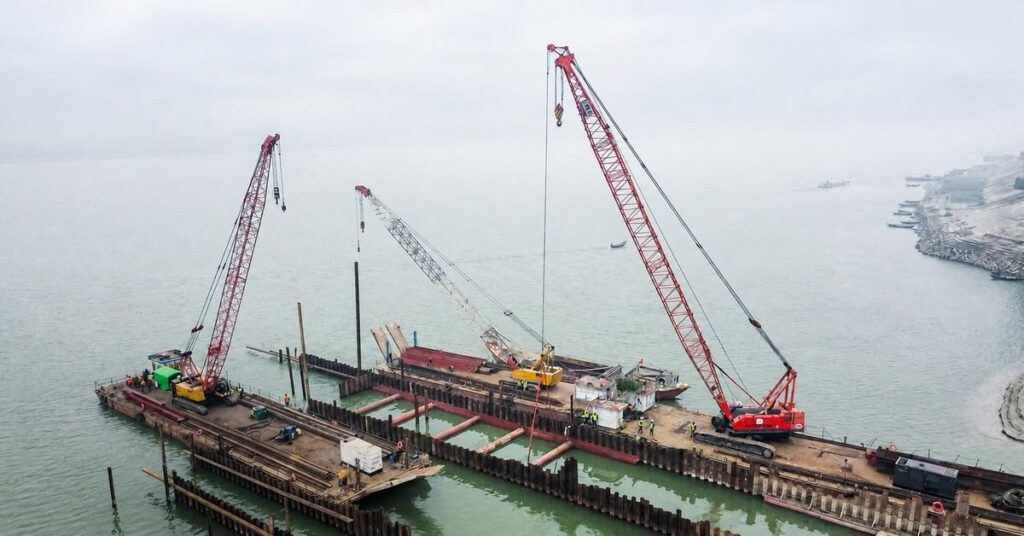
- Floating cranes
- Barges
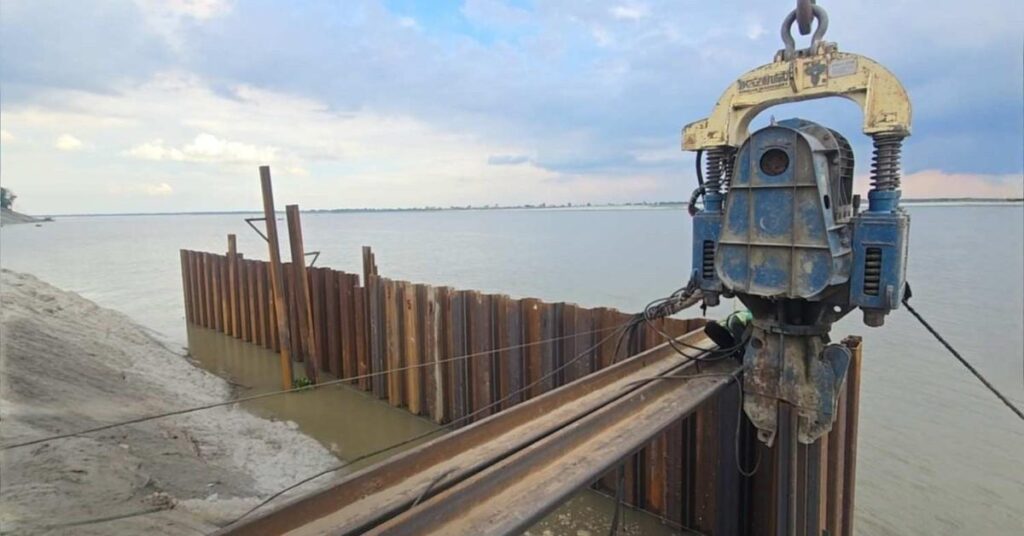
- Vibratory hammers
- Marine piling rigs
- Tugboats
If one critical machine becomes unavailable or breaks down, the entire workflow slows down.
Equipment mobilization itself can take considerable time, especially in remote river or coastal areas. Transport permits, fuel logistics, and waterway access also affect scheduling.
A construction industry review found that equipment-related interruptions account for nearly 15% of delays in marine infrastructure projects across developing regions.
Coordination Problems Between Multiple Teams
Jetty projects involve several technical teams working simultaneously.
These may include:
- Marine engineers
- Structural engineers
- Diving teams
- Equipment operators
- Surveyors
- Safety personnel
Without strong coordination, delays begin spreading across the project.
For example:
- Survey work delayed by weather may postpone piling operations
- Delayed material delivery may stop deck construction
- Late inspection approvals may halt marine activities
Small communication failures often grow into major scheduling problems.
Marine construction requires continuous coordination because many tasks depend directly on the completion of earlier activities.
Material Supply Delays Affect Construction Flow
Jetty projects require large volumes of steel, concrete, piles, and marine-grade materials.
Delays in supply chains can disrupt the entire construction sequence.
Common material-related problems include:
- Late steel delivery
- Imported material clearance delays
- Fabrication errors
- Transportation interruptions
Since many marine projects operate in isolated areas, replacing delayed materials quickly is difficult.
Some projects experience idle equipment and labor costs simply because one critical component did not arrive on schedule.
Safety Restrictions Reduce Working Time
Marine construction sites involve higher safety risks than most land-based projects.
Workers face:
- Water exposure
- Heavy lifting operations
- Unstable working platforms
- Strong current conditions
Because of these risks, safety inspections and operational restrictions are stricter.
Unsafe conditions can temporarily stop:
- Crane operations
- Diving activities
- Pile installation
- Concrete placement
In some cases, work hours are reduced to maintain safe operating conditions.
These restrictions are necessary, though they often affect project timelines.
Design Changes During Execution
Many jetty projects experience design revisions after construction has already started.
These changes may occur because of:
- Soil condition differences
- Client requirement updates
- Structural load adjustments
- Environmental restrictions
Even small design modifications can create major delays in marine projects because equipment, sequencing, and fabrication are interconnected.
For example:
- Changing pile diameter may require different equipment
- Structural revisions may delay fabrication schedules
- Load capacity updates may affect foundation design
Engineering consultants estimate that design-related changes contribute to nearly 18% of delay cases in large marine infrastructure projects.
Limited Working Windows in Water-Based Construction
Unlike land projects, marine construction cannot always run continuously.
Certain operations depend on:
- Tide levels
- Water depth
- Current speed
- Weather visibility
Some activities can only happen during specific time windows each day.
If one operation misses its working window, the next opportunity may not come until the following tide cycle.
This creates scheduling pressure across the project.
Regulatory and Environmental Approvals
Marine projects often require multiple approvals from environmental and port authorities.
Delays may occur due to:
- Environmental clearance reviews
- Waterway authority permissions
- Safety compliance inspections
In sensitive areas, authorities may restrict construction activities during certain periods to protect aquatic ecosystems or navigation routes.
Projects that underestimate approval timelines often struggle to maintain original schedules.
Lack of Experience in Marine Execution
Jetty construction is highly specialized work. Contractors experienced only in land construction may struggle in marine environments.
Common execution mistakes include:
- Poor marine logistics planning
- Inadequate equipment selection
- Weak tidal coordination
- Improper underwater surveying
These problems gradually slow the project and increase operational risk.
Experienced marine contractors usually plan around environmental limitations rather than reacting to them after delays begin.
Final Thoughts
Jetty construction projects miss deadlines for many reasons, but most delays come from a combination of environmental, technical, and coordination-related challenges.
Marine construction involves conditions that are difficult to control completely. Weather, soil behavior, water movement, equipment logistics, and safety restrictions all affect project timelines.
Projects that rely on unrealistic schedules or incomplete planning often face serious delays once work begins. Careful investigation, experienced supervision, and proper marine execution planning help reduce these risks. For industrial and infrastructure projects involving river or coastal construction, working with an experienced Jetty construction company in Bangladesh can help maintain better control over execution timelines and operational challenges.