
Design vs Reality: Where Cofferdam Projects Go Wrong
Let's See The Topics
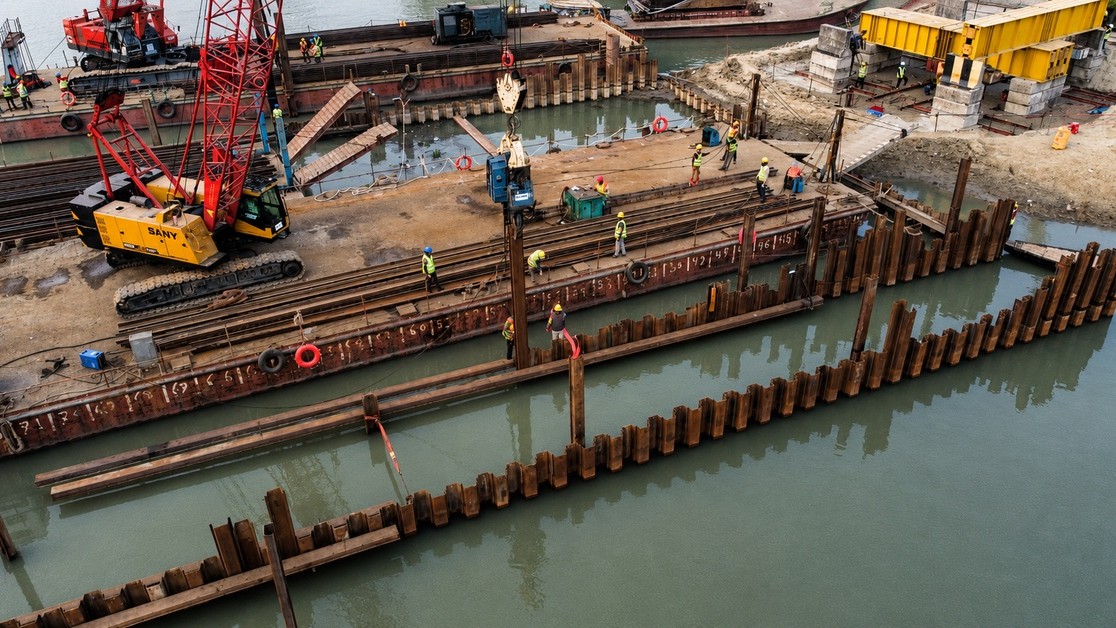
Cofferdams play a critical role in bridge foundations, river engineering, water intake structures, ports, and marine construction projects. On paper, many cofferdam systems appear technically sound and fully engineered. Yet project teams often encounter unexpected problems once construction begins. What works perfectly in design calculations does not always perform the same way under actual site conditions.
This gap between design assumptions and field reality is one of the most common reasons cofferdam projects face delays, budget overruns, structural instability, and safety concerns. Industry studies suggest that nearly 35% of temporary works issues on marine and river projects are linked to differences between anticipated and actual site conditions.
For contractors, engineers, and project owners, understanding where cofferdam projects commonly go wrong can reduce risk and improve project outcomes.
Projects that require professional planning often benefit from specialized engineering support. Many contractors work with experienced providers of cofferdam design services in Bangladesh to assess water conditions, soil behavior, and structural requirements before construction begins.
Why Cofferdam Designs Look Good on Paper
Engineering designs are developed using available information such as:
- Soil investigation reports
- Water level records
- Hydraulic data
- Structural load calculations
- Construction sequencing plans
- Material specifications
Design engineers use these inputs to determine:
- Sheet pile lengths
- Embedment depths
- Bracing requirements
- Dewatering capacity
- Stability factors
- Safety margins
When all assumptions match actual field conditions, the cofferdam performs as expected.
The challenge begins when real-world conditions differ from the original assumptions.
The Problem with Incomplete Site Investigations
One of the biggest causes of cofferdam problems is insufficient geotechnical information.
A soil investigation may cover only a limited portion of the project area. Once excavation begins, contractors sometimes encounter:
- Soft clay layers
- Loose sand pockets
- Buried debris
- Old foundation remnants
- Unexpected groundwater paths
A 2023 infrastructure survey across South Asia found that approximately 28% of temporary works modifications occurred because subsurface conditions differed from initial geotechnical reports.
Even a small variation in soil properties can affect:
- Sheet pile stability
- Lateral earth pressure
- Seepage behavior
- Settlement performance
Design calculations are only as accurate as the data used to create them.
Water Behaves Differently in Real Conditions
Hydraulic calculations often rely on historical records and average water levels.
Actual site conditions can be much more aggressive.
River projects frequently experience:
- Sudden water level fluctuations
- Unexpected tidal effects
- Seasonal flooding
- Upstream discharge increases
- Storm-related surges
Many cofferdam failures occur during periods of elevated water pressure rather than during normal operating conditions.
A cofferdam designed for a river level variation of 1.5 meters may face temporary fluctuations exceeding 3 meters during severe weather events.
This additional pressure can create excessive loads on:
- Sheet piles
- Internal bracing systems
- Waling beams
- Anchor systems
Without sufficient contingency planning, structural performance can deteriorate rapidly.
Construction Sequencing Often Changes
Designers typically prepare calculations based on a planned construction sequence.
Reality rarely follows the original schedule perfectly.
Field conditions often introduce changes such as:
- Equipment delays
- Material shortages
- Weather interruptions
- Access limitations
- Labor availability issues
When sequencing changes, load conditions may also change.
For example, an excavation left open longer than expected may experience prolonged groundwater exposure. A delay in installing internal bracing can increase lateral pressure on sheet piles beyond planned limits.
The design itself may remain technically correct, but altered construction timing creates new risks.
Installation Accuracy Matters More Than Many Realize
Cofferdam performance depends heavily on installation quality.
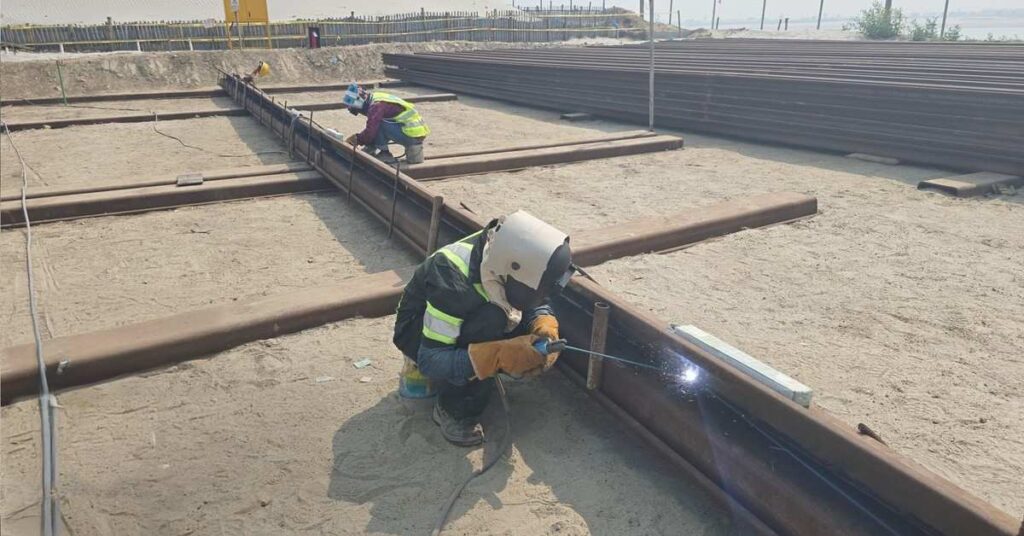
Even the best design can experience problems if installation tolerances are not maintained.
Common field issues include:
- Sheet pile misalignment
- Inadequate embedment depth
- Damaged interlocks
- Incorrect bracing placement
- Uneven pile driving
Research published in marine infrastructure journals indicates that installation-related deficiencies contribute to roughly 20% of temporary retaining structure performance issues.
A few centimeters of alignment deviation may appear minor during installation. Across a large cofferdam perimeter, those small deviations can accumulate into structural concerns.
Dewatering Systems Are Frequently Underestimated
Dewatering plays a major role in cofferdam performance.
Many designs assume groundwater conditions based on available data. Actual groundwater flow patterns can differ significantly.
Common problems include:
- Higher groundwater inflow rates
- Hidden seepage channels
- Artesian pressure conditions
- Equipment breakdowns
- Pump capacity limitations
When dewatering systems cannot keep pace with water inflow, project teams face:
- Flooded excavations
- Soil instability
- Base heave risks
- Delayed construction activities
Several industry reports indicate that groundwater-related issues account for nearly 25% of construction delays in deep excavation projects involving temporary water-retaining structures.
Human Factors Create Additional Risks
Engineering calculations are not the only factor influencing project success.
Human decision-making often affects outcomes more than expected.
Common management-related challenges include:
Communication Gaps
Design engineers, contractors, and site supervisors may interpret requirements differently.
Cost-Cutting Decisions
Some projects attempt to reduce expenses by modifying materials, bracing layouts, or dewatering plans.
Schedule Pressure
Teams working under deadline pressure sometimes bypass recommended monitoring procedures.
Limited Site Monitoring
Without regular inspection, early warning signs can be missed.
Many cofferdam failures begin with small indicators that remain unnoticed until a larger problem develops.
Environmental Conditions Change During Construction
A design may be prepared months before installation begins.
During that time, environmental conditions may change significantly.
Examples include:
- Riverbed erosion
- Sediment movement
- Channel migration
- Seasonal water level shifts
- Extreme rainfall events
These factors alter the loads acting on the structure.
For river and marine projects, environmental monitoring should continue throughout construction rather than ending after the design stage.
The Hidden Cost of Design Assumptions
When design assumptions prove inaccurate, project costs rise quickly.
Potential consequences include:
- Emergency repair work
- Additional sheet pile installation
- Dewatering upgrades
- Project delays
- Equipment standby costs
- Safety incidents
Industry estimates suggest that temporary works modifications can increase project costs by 10% to 30% depending on the severity of the issue.
For large infrastructure projects, this can represent substantial financial exposure.
Monitoring Is the Missing Link
One of the most effective ways to bridge the gap between design and reality is continuous monitoring.
Monitoring allows engineers to compare actual performance against design expectations.
Key monitoring activities include:
- Water level measurements
- Settlement tracking
- Structural movement monitoring
- Pore water pressure readings
- Bracing load inspections
When changes are identified early, corrective measures can be implemented before major problems occur.
Projects that use active monitoring programs consistently report fewer unexpected structural issues compared to projects relying solely on initial design assumptions.
Lessons Learned from Successful Cofferdam Projects
Projects with strong performance records often share several common practices.
Detailed Site Investigation
Additional soil testing reduces uncertainty.
Conservative Design Margins
Allowances are included for unexpected field conditions.
Continuous Monitoring
Performance is tracked throughout construction.
Experienced Site Supervision
Qualified personnel identify risks early.
Flexible Construction Planning
Teams adjust procedures when conditions change.
These practices help align engineering theory with field reality.
Closing Thoughts
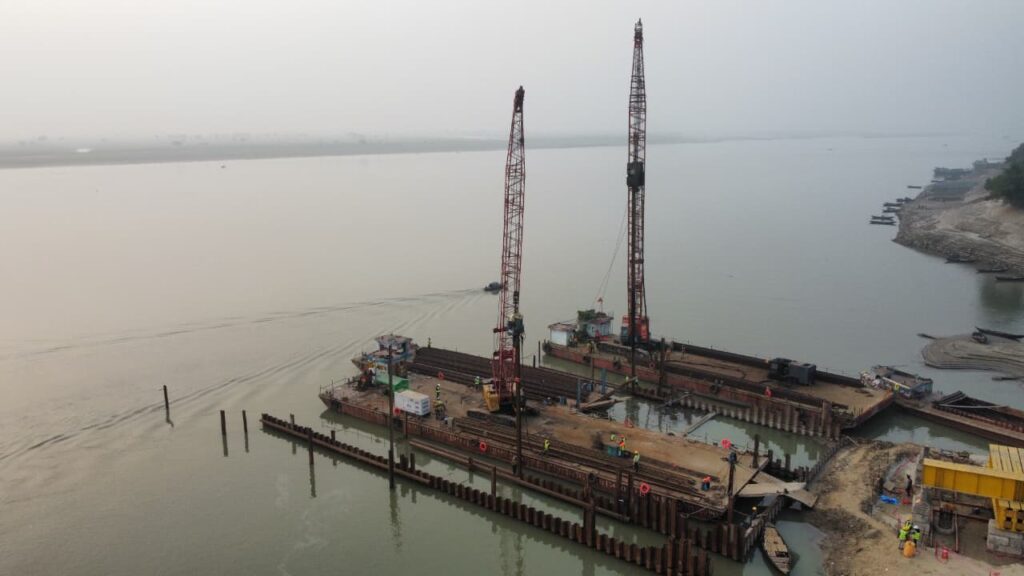
Cofferdam projects rarely fail because of a single mistake. Most problems develop when design assumptions, site conditions, construction practices, and environmental factors move out of alignment.
The difference between a successful project and a troubled one often comes down to how well teams prepare for uncertainty. Soil conditions may vary. Water levels may rise unexpectedly. Construction schedules may change. Equipment may face limitations.
Engineering design remains the foundation of every cofferdam system, but field performance ultimately determines project success. By combining accurate investigations, realistic planning, active monitoring, and experienced execution, contractors can reduce the gap between design expectations and real-world conditions.
At SIMEX Bangladesh, we understand the practical challenges that arise during river, marine, bridge, and deep excavation projects. Our engineering and construction teams focus on developing cofferdam solutions that reflect actual site conditions, helping clients reduce risks, maintain construction progress, and achieve safe project delivery. When engineering decisions are supported by field experience and disciplined execution, cofferdam systems perform as intended and costly disruptions become far less likely.