
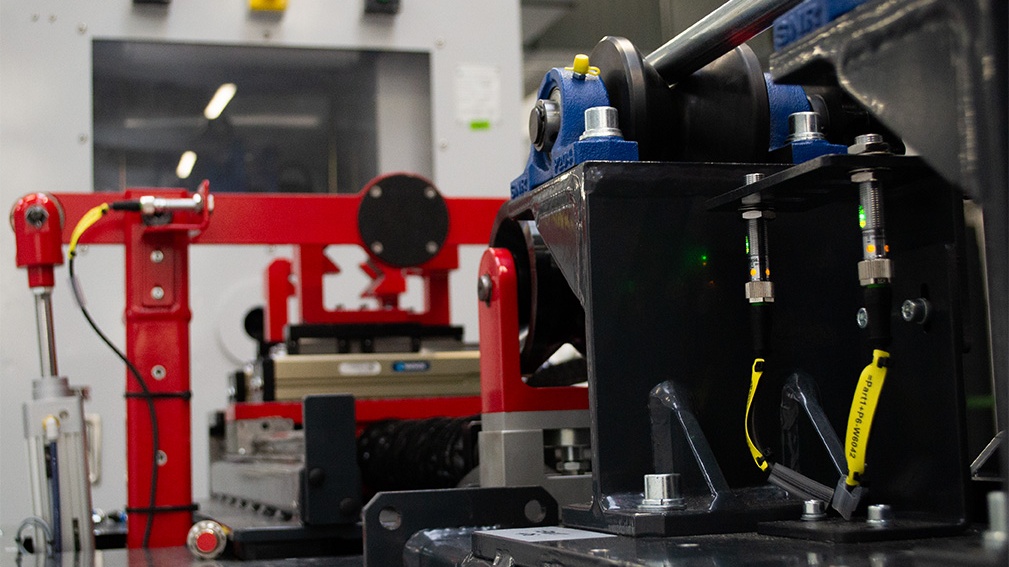
Coupler Machine Benefits & Steel Pipe Uses Explained
Let's See The Topics
Coupler Machine Benefits and Steel Pipe Uses: A Complete Guide
If you work in construction, manufacturing, or infrastructure, two materials keep coming up: the coupler machine and steel pipe. While both are widely used, most guides only scratch the surface of what they can actually do. In this post, we break down the key benefits of coupler machines and the most practical uses of steel pipe — beyond the obvious applications — so you can get more out of both.
What Is a Coupler Machine and What Are Its Benefits?
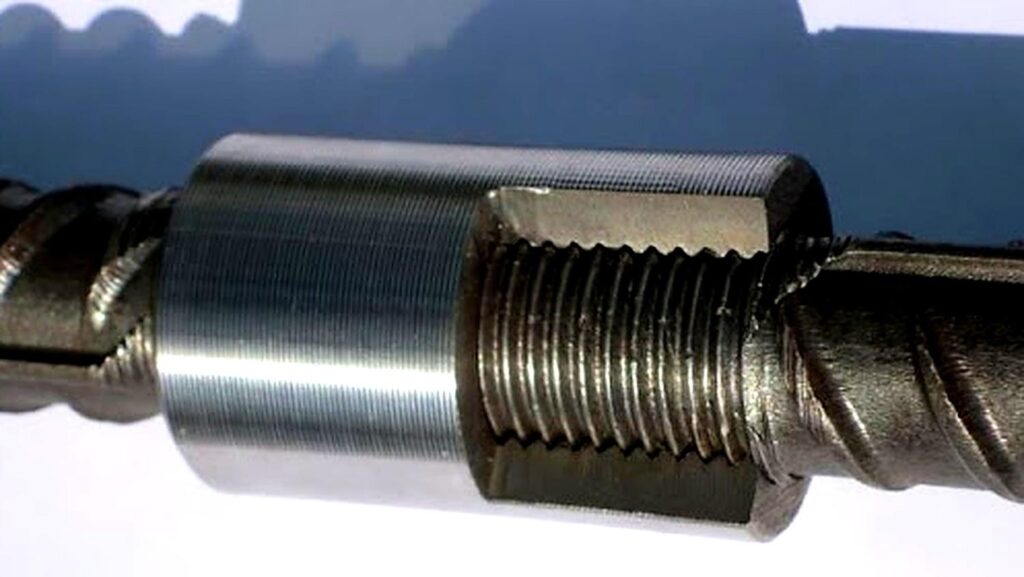
A coupler machine is a mechanical device used to thread the ends of steel rods and join them using a sleeve coupler. Unlike welding or lap splicing, this method creates a fast, strong, and precise connection between rods. Here are the three most important use cases where a coupler machine delivers real benefits.
1. Reinforcement Rod Joining in Concrete Structures
One of the primary benefits of a coupler machine is its ability to join reinforcement rods — commonly called rebar — inside reinforced concrete structures. Traditional lap splicing requires significant overlap between bars, which wastes steel and creates congestion in tight structural zones.
With a coupler machine, each rebar end is threaded and connected through a mechanical sleeve coupler, producing a joint that meets or exceeds the rod’s own tensile strength. This approach is widely used in high-load elements such as columns, beams, shear walls, and slabs where structural integrity is critical.
Key benefit: Reduces rebar consumption, minimizes congestion at joints, and ensures consistent connection strength across the structure.
2. Custom Foundation Anchor Bolts
Foundation anchor bolts must be fabricated to exact lengths and thread specifications to properly secure structural components — like steel columns or machinery bases — to a concrete foundation. Relying on pre-manufactured sizes often leads to delays or costly compromises.
A coupler machine solves this by allowing workers to thread and join rods on-site or in the workshop, creating custom-length anchor bolts that match precise project requirements. This is especially valuable in custom industrial installations, heavy machinery setups, and bridge foundation work.
Key benefit: Eliminates dependency on pre-made sizes, speeds up fabrication, and gives engineers full control over anchor bolt specifications.
3. Structural Steel Tension Rods
In tension rod systems — such as cable-stayed roofs, suspended floor structures, or braced steel frames — long-span rods are often needed that cannot be sourced as a single piece. A coupler machine enables fabricators to assemble these long rods by joining shorter threaded segments with precision couplers.
The resulting tension rod assemblies are clean, load-bearing, adjustable, and suitable for both permanent and temporary structural applications.
Key benefit: Enables fabrication of any required length without compromise, with connections that maintain full structural performance under tension loads.
Steel Pipe Uses Beyond General Applications
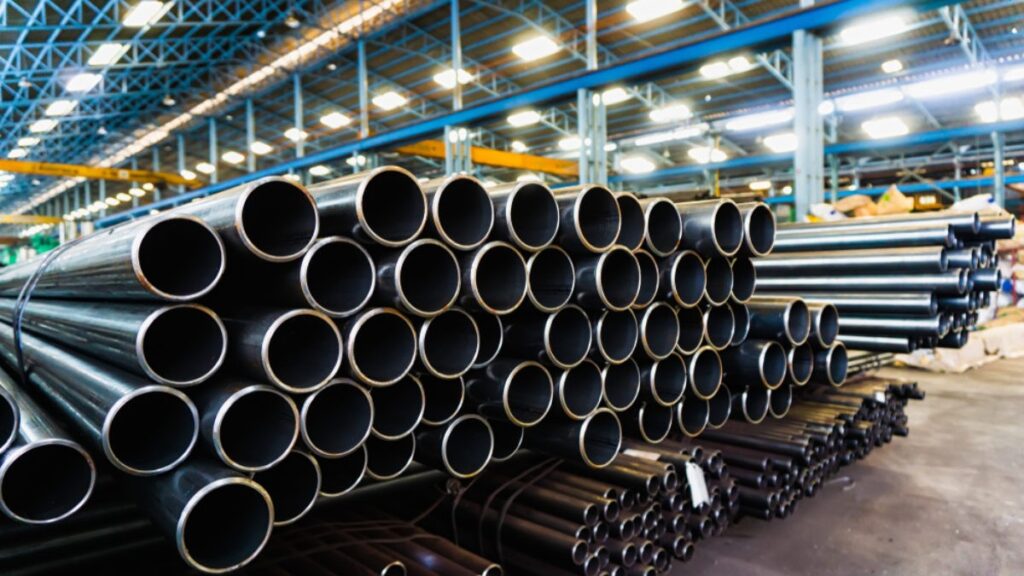
Steel pipe is one of the most versatile materials in industrial and commercial construction. While most people associate it with plumbing and fluid transport, steel pipe has a wide range of structural and fabrication uses that go far beyond those categories. Here are six of the most impactful applications.
1. Structural Scaffolding Systems
Steel pipe is the standard material for scaffolding systems on construction sites globally. Its high strength-to-weight ratio, standardized outer diameter, and compatibility with clamp-style fittings make it ideal for modular, load-bearing scaffold structures that can be erected and dismantled efficiently.
Steel pipe scaffolding outperforms aluminum alternatives in load capacity, making it the preferred choice for heavy-duty construction, high-rise facade work, and industrial plant maintenance.
Why steel pipe: Durable, strong, reusable across multiple projects, and compatible with universal scaffolding clamps and fittings.
2. Office Furniture and Home Furniture Frames
The industrial furniture trend has made steel pipe a mainstream material for interior design and furniture manufacturing. Steel pipe is now commonly used to build frames for shelving units, office desks, bed frames, wardrobe structures, and side tables — both in commercial spaces and homes.
Its threaded end fittings allow for straightforward assembly and disassembly without specialized tools, while its rigid structure ensures long-term durability. For custom furniture makers and DIY builders, steel pipe delivers both the aesthetic and functional performance they need.
Why steel pipe: Raw industrial look, strong and long-lasting, easy to assemble with standard pipe fittings.
3. Professional Gym Equipment
Commercial gym equipment manufacturers rely heavily on steel pipe for building equipment frames. Pull-up bar stations, squat racks, cable machine towers, dumbbell storage trees, and functional training rigs are all commonly built using structural steel pipe.
The material’s high tensile strength allows it to handle dynamic and repeated loading without fatigue, while powder coating provides a durable, aesthetically finished surface. For both equipment manufacturers and facility operators, steel pipe offers the best combination of cost, strength, and longevity.
Why steel pipe: Handles heavy dynamic loads, easy to fabricate into custom frame dimensions, long service life with minimal maintenance.
4. Safety Railings and Guardrails
Steel pipe is a top choice for safety railings and guardrails in industrial facilities, commercial buildings, staircases, mezzanine floors, parking structures, and public walkways. When galvanized, it offers excellent corrosion resistance for both indoor and outdoor environments.
Its structural rigidity means it can meet fall protection load requirements under occupational safety standards, while its standardized diameters make it easy to fabricate to any custom height or configuration on-site.
Why steel pipe: Meets safety compliance requirements, customizable, galvanized versions are corrosion-resistant for outdoor and harsh environments.
5. Multi-Directional Pipe Fittings and Framework Systems
One of the most underappreciated uses of steel pipe is in multi-directional framework systems. Thanks to a wide ecosystem of compatible fittings — including elbows, tees, crosses, flanges, and reducing couplings — steel pipe can be assembled into complex three-dimensional structures in any direction.
This makes it highly practical for industrial pipework layouts, equipment enclosure frames, material handling structures, and modular assembly systems. Because pipe fittings are largely standardized, components from different suppliers are interchangeable, which simplifies procurement and on-site modifications.
Why steel pipe: Enormous fitting ecosystem, fully modular, easy to modify or expand existing structures without full replacement.
6. Automotive Sector Infrastructure
In automotive workshops, service centers, and manufacturing facilities, steel pipe is used extensively for the supporting infrastructure. Common applications include frames for vehicle lifts, exhaust extraction duct systems, compressed air distribution lines throughout the workshop, and structural supports for car alignment and diagnostic equipment.
Steel pipe’s pressure-bearing capacity makes it reliable for pneumatic and hydraulic line installations, while its structural rigidity makes it a dependable material for load-bearing workshop infrastructure that sees daily heavy use.
Why steel pipe: Handles both structural and pressure-bearing demands, widely available, easy to install and modify in workshop environments.
Final Thoughts
Understanding the full range of coupler machine benefits and steel pipe uses gives engineers, contractors, and fabricators a real edge when selecting materials and methods for a project. Whether you’re joining rebar in a high-rise column or building a gym rack from structural pipe, both of these solutions offer more flexibility, strength, and value than most people realize.
If you’re looking to source quality coupler machines or structural steel pipe for your next project, make sure to work with a supplier that understands the technical specifications behind each application — not just the price per unit.