
Cost Implications of Poor Cofferdam Planning in Construction Projects
Let's See The Topics
Cost Implications of Poor Cofferdam Planning
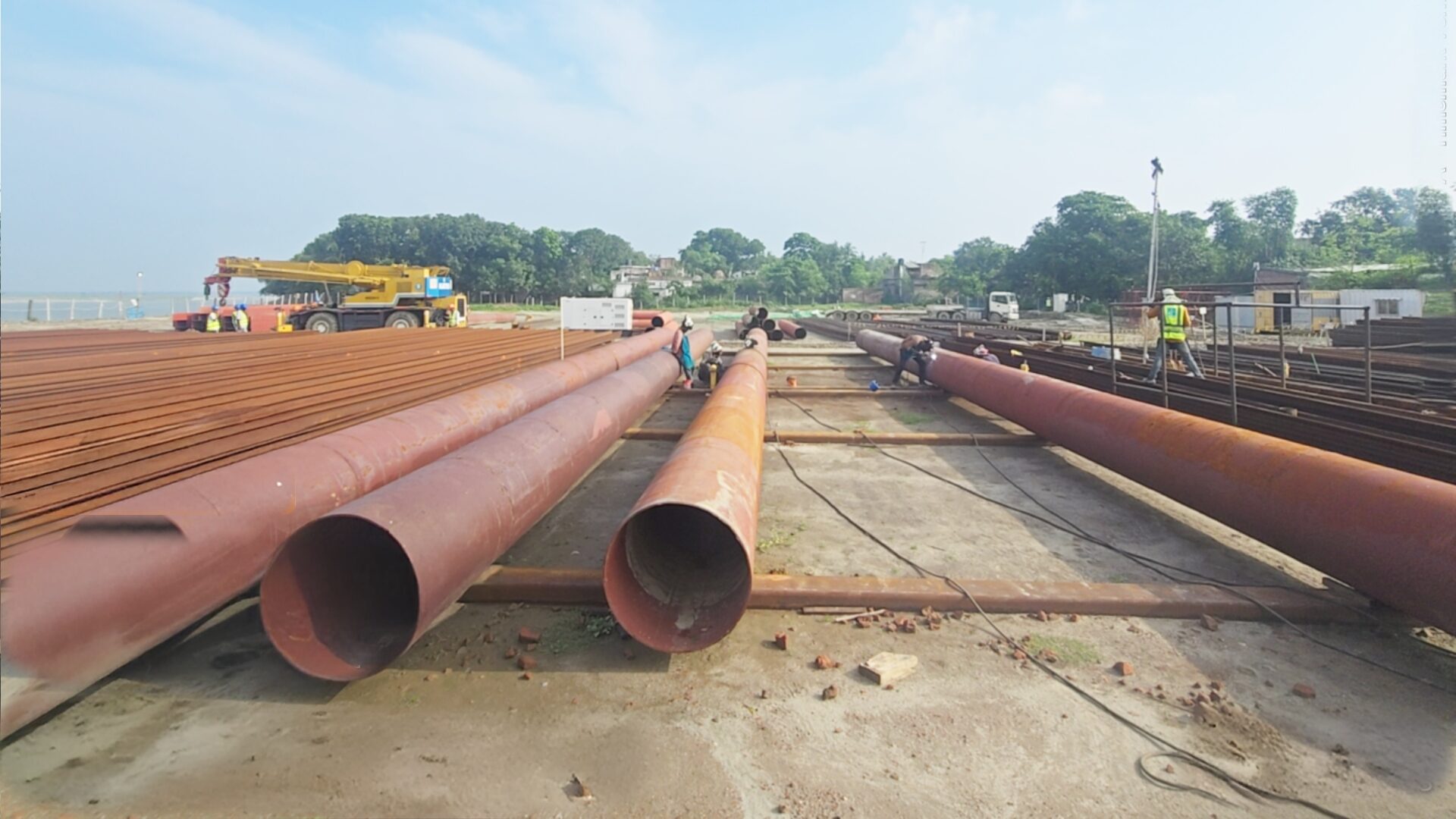
Cofferdams are temporary structures, but their impact on a project’s success is anything but temporary. In bridge construction, river engineering, port development, water intake facilities, and marine infrastructure projects, a properly planned cofferdam creates the dry and stable work area required for safe construction. When planning is rushed or incomplete, the financial consequences can be substantial.
Many project teams focus heavily on permanent structures while treating temporary works as a secondary concern. This approach often leads to avoidable expenses that continue throughout the project lifecycle. Studies across infrastructure and marine construction projects indicate that temporary works-related issues contribute to approximately 20% to 30% of major project delays worldwide.
For contractors, developers, consultants, and project owners, understanding the cost implications of poor cofferdam planning can help prevent budget overruns and construction disruptions.
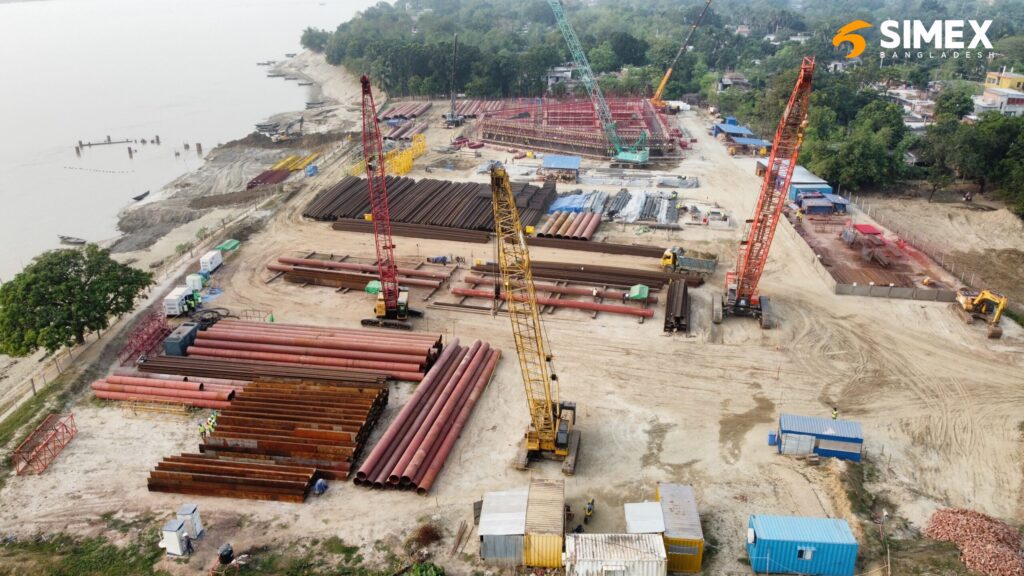
Projects involving river and marine environments often require support from an experienced Cofferdam Construction Company in Bangladesh to ensure that planning, design, installation, and execution align with actual site conditions. Early planning often costs far less than correcting problems after construction begins.
Why Cofferdam Planning Matters
A cofferdam serves as a protective barrier that keeps water away from the work zone. It must withstand water pressure, soil loads, construction activities, and environmental changes throughout the project duration.
Proper planning typically includes:
- Site investigation
- Geotechnical assessment
- Water level analysis
- Structural calculations
- Dewatering planning
- Construction sequencing
- Risk assessment
- Safety planning
When one or more of these elements are overlooked, costs begin to increase almost immediately.
The Hidden Cost of Inadequate Site Investigation
One of the most common planning mistakes occurs before construction starts.
Many projects rely on limited geotechnical information or outdated site data. During construction, crews may encounter:
- Softer soils than expected
- Higher groundwater levels
- Buried obstructions
- Riverbed irregularities
- Unexpected erosion zones
When conditions differ from original assumptions, contractors often need to modify the cofferdam design.
These modifications may include:
- Additional sheet piles
- Longer pile sections
- Extra bracing systems
- Revised dewatering arrangements
- Supplemental equipment mobilization
Industry reports suggest that unexpected ground conditions account for nearly 25% of construction change orders in marine and river projects.
A site investigation that costs a few thousand dollars can often prevent corrective measures worth many times that amount.
Design Revisions Create Budget Pressure
A poorly planned cofferdam may appear acceptable during the design stage but fail to address actual project requirements.
When design revisions become necessary during construction, costs increase through:
Engineering Fees
Additional calculations, drawings, and approvals require engineering resources.
Material Changes
New structural elements often require urgent procurement.
Schedule Adjustments
Construction activities may pause while revised designs are reviewed and approved.
Equipment Idle Time
Heavy equipment remains on-site while waiting for updated instructions.
Even a short interruption can create substantial financial impacts on large infrastructure projects.
Water Management Problems Are Expensive
Water control is one of the primary purposes of a cofferdam.
When water management planning is inadequate, project teams often experience:
- Flooded excavations
- Continuous seepage
- Pump failures
- Excessive groundwater inflow
- Soil instability
A survey conducted among infrastructure contractors found that dewatering-related challenges increase project costs by an average of 8% to 15% on projects requiring deep excavations below groundwater level.
Unexpected water intrusion creates direct and indirect expenses.
Direct costs include:
- Additional pumps
- Fuel consumption
- Maintenance work
- Emergency labor
Indirect costs include:
- Delayed construction
- Reduced productivity
- Equipment downtime
- Safety concerns
These costs accumulate quickly over weeks or months.
Construction Delays Affect Every Budget Category
Project delays are among the most expensive consequences of poor cofferdam planning.
When a cofferdam fails to perform as intended, construction progress slows or stops completely.
Every delayed day can generate costs through:
- Labor expenses
- Equipment rentals
- Site supervision
- Security services
- Temporary facilities
- Material storage
For large marine infrastructure projects, daily delay costs often range from several thousand to tens of thousands of dollars depending on project scale.
A delay lasting several weeks can place substantial pressure on project profitability.
Emergency Repairs Cost More Than Planned Solutions
Emergency work almost always costs more than planned work.
When a cofferdam experiences instability, leakage, or structural distress, contractors must respond immediately.
Emergency repairs often involve:
- Rush material deliveries
- Overtime labor
- Additional equipment mobilization
- Specialized engineering support
- Temporary stabilization measures
Materials purchased under emergency conditions often carry higher prices due to urgent delivery requirements.
Labor costs also increase because repair activities frequently occur outside normal working hours.
A repair that could have been avoided through proper planning may ultimately cost several times more than the original preventive measure.
Equipment Utilization Becomes Less Efficient
Heavy equipment plays a major role in cofferdam construction.
Common equipment includes:
- Cranes
- Vibro hammers
- Excavators
- Barges
- Dewatering pumps
- Support vessels
When planning deficiencies create delays or changes, equipment utilization drops.
Contractors continue paying for machinery while productivity decreases.
Research within the construction sector suggests that equipment idle time caused by project disruptions can increase operational costs by 10% to 20%.
Poor planning often turns productive equipment into an expensive waiting asset.
Safety Incidents Carry Financial Consequences
Safety and cost are closely connected.
A poorly planned cofferdam increases the likelihood of:
- Worker injuries
- Flooding incidents
- Structural instability
- Equipment damage
- Emergency evacuations
The financial impact extends beyond immediate repairs.
Costs may include:
- Medical expenses
- Investigation costs
- Insurance claims
- Regulatory penalties
- Legal disputes
- Project suspension
Many organizations underestimate the indirect costs associated with safety incidents.
Industry studies suggest that indirect costs can be four to ten times greater than direct incident costs.
Environmental Compliance Issues Can Become Expensive
River and marine construction projects operate under strict environmental regulations.
Poor cofferdam planning can contribute to:
- Sediment releases
- Water contamination
- Uncontrolled discharge
- Riverbank disturbance
- Habitat impacts
Regulatory authorities may require:
- Corrective actions
- Environmental restoration
- Additional monitoring
- Project suspension
Environmental non-compliance often results in expenses that exceed the cost of proper planning and preventive measures.
Procurement Problems Increase Project Costs
Material procurement depends on accurate planning.
When cofferdam requirements are underestimated, contractors often need:
- Additional sheet piles
- Extra bracing systems
- More dewatering equipment
- Replacement materials
Urgent procurement typically leads to:
- Higher purchase prices
- Premium shipping costs
- Limited supplier options
- Delivery delays
Planning accuracy allows procurement teams to negotiate better pricing and secure materials before construction begins.
Long-Term Reputation Costs
The financial consequences of poor planning extend beyond a single project.
Repeated delays and cost overruns can affect:
- Client relationships
- Future contract opportunities
- Contractor reputation
- Prequalification status
Owners often track project performance metrics when selecting contractors for future work.
Organizations known for reliable project delivery gain a competitive advantage during tender evaluations.
This is one reason why companies such as SIMEX Bangladesh place considerable focus on engineering reviews, construction planning, and risk management before site activities begin.
How Better Planning Reduces Costs
Successful cofferdam projects typically follow a structured planning process.
Detailed Site Investigation
Accurate information reduces uncertainty.
Realistic Design Assumptions
Engineering decisions should reflect actual site conditions.
Risk Assessment
Potential challenges should be identified before construction begins.
Construction Sequencing
Activities should be coordinated to minimize delays.
Monitoring Plans
Performance should be tracked throughout the project.
Contingency Planning
Prepared responses help reduce the impact of unexpected events.
Projects that invest in these activities generally experience fewer disruptions and stronger budget control.
The Value of Early Decision-Making
Many cost problems associated with cofferdams originate long before installation begins.
Early project decisions influence:
- Design quality
- Construction methods
- Material selection
- Equipment planning
- Risk management strategies
The earlier potential problems are identified, the lower the cost of addressing them.
A design adjustment made during planning may require only a few hours of engineering work. The same adjustment made after installation may require weeks of corrective construction activity.
Closing Thoughts
Poor cofferdam planning rarely causes a single isolated problem. Instead, it creates a chain reaction of delays, design changes, water control challenges, safety concerns, procurement issues, and rising project costs.
For river engineering, bridge foundations, marine infrastructure, and deep excavation projects, careful planning remains one of the most cost-effective investments a project team can make. Understanding site conditions, evaluating risks, and preparing realistic construction strategies can prevent many of the issues that commonly affect temporary works.
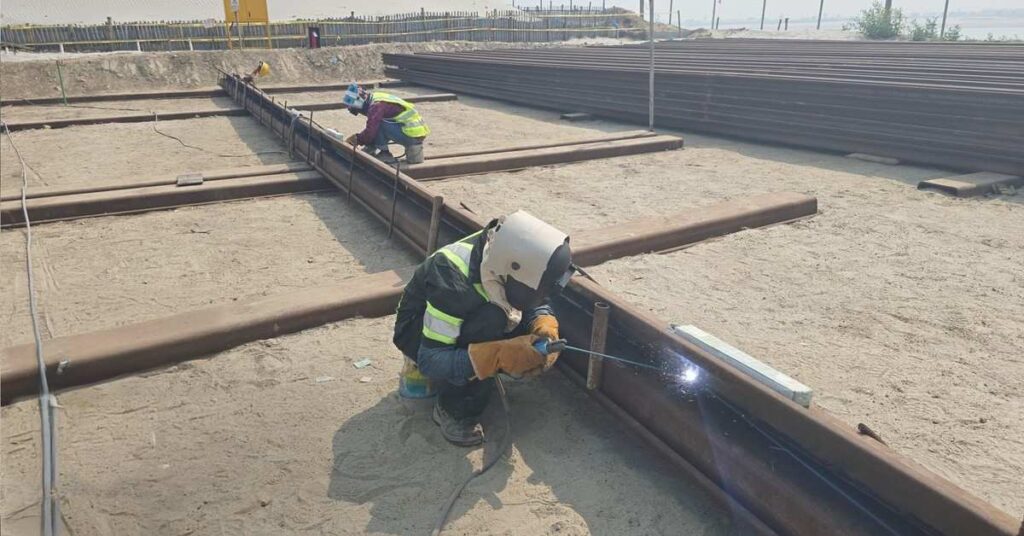
At SIMEX Bangladesh, we have seen how proper planning contributes to safer construction, better budget control, and smoother project execution. Through careful engineering review, construction planning, and practical site experience, project teams can reduce uncertainty and avoid many of the hidden costs that arise when cofferdam planning is overlooked.
When temporary works are planned with the same level of attention as permanent structures, projects are better positioned for successful delivery, stronger financial performance, and safer construction outcomes.