
Safety Risks That Contractors Often Overlook in Construction Projects
Let's See The Topics
Safety Risks That Contractors Often Overlook
Construction projects involve heavy equipment, complex engineering activities, multiple subcontractors, and constantly changing site conditions. While most contractors focus on visible hazards such as working at height, crane operations, or electrical installations, many accidents occur because of risks that receive less attention during planning and execution.
Industry reports indicate that a large percentage of construction incidents are linked not to unusual events but to routine activities that were underestimated or poorly managed. Minor oversights can lead to project delays, equipment damage, injuries, legal disputes, and unexpected costs.
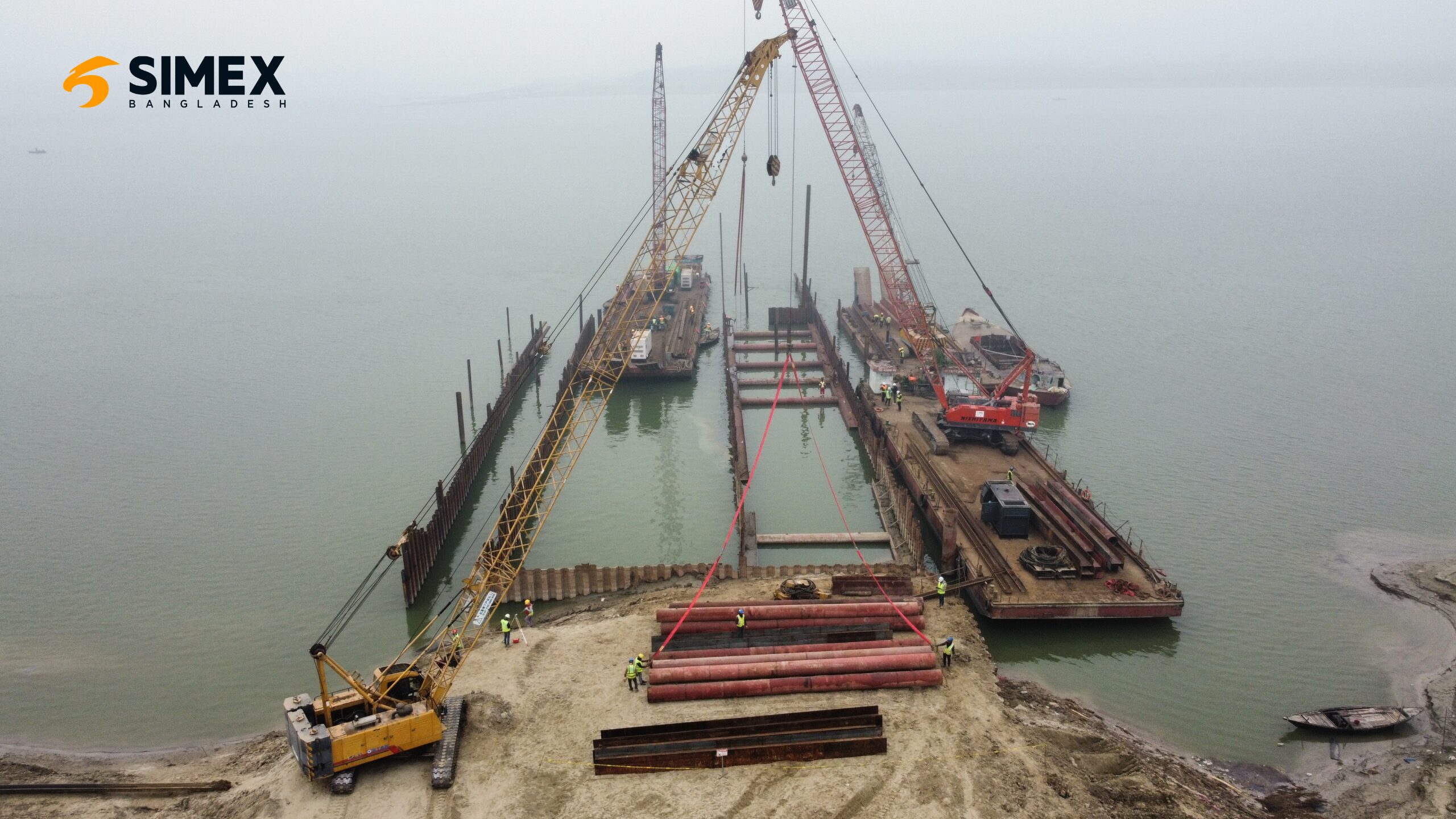
For projects involving deep excavations, river works, and temporary retaining systems, working with an experienced Cofferdam construction company in Bangladesh can help reduce safety risks from the planning stage through project execution.
Understanding the hidden safety challenges that contractors often overlook is one of the most practical ways to improve project performance and protect workers, equipment, and infrastructure.
The Cost of Overlooked Safety Risks
Many contractors believe major accidents happen because of dramatic equipment failures or extreme weather events. In reality, site investigations often reveal that accidents were caused by small issues that gradually developed over time.
According to global construction industry studies, nearly 70% of workplace incidents involve factors that were identified before the event but were not properly addressed. These include inadequate inspections, poor communication, incomplete risk assessments, and insufficient supervision.
When safety concerns are ignored, the consequences can include:
- Work stoppages
- Project delays
- Equipment replacement costs
- Medical expenses
- Contract penalties
- Reduced workforce productivity
- Damage to company reputation
A single incident can affect project performance for months.
Inadequate Site Investigation
One of the most common mistakes occurs before construction even begins.
Contractors sometimes rely on limited site information or outdated reports. Soil conditions, groundwater levels, underground utilities, and access constraints can vary significantly across a project site.
Without detailed investigation, crews may encounter unexpected conditions that create immediate safety concerns.
Examples include:
- Unstable soil zones
- Hidden utility lines
- Unexpected groundwater pressure
- Contaminated materials
- Weak existing structures
A proper site investigation provides information necessary for safe planning and construction sequencing.
Poor Communication Between Teams
Construction projects often involve multiple parties working simultaneously.
Engineers, supervisors, equipment operators, subcontractors, suppliers, and labor crews must coordinate their activities daily. Communication failures can create serious hazards.
Common examples include:
- Workers entering restricted areas
- Equipment operating without proper clearance
- Conflicting work schedules
- Incomplete handover information
- Unreported site changes
Studies from major infrastructure projects have shown that communication failures contribute to nearly one-third of workplace incidents.
Daily coordination meetings and clear reporting procedures can greatly reduce these risks.
Temporary Works Receiving Less Attention
Permanent structures usually receive detailed engineering reviews. Temporary works often do not receive the same level of attention.
Examples of temporary works include:
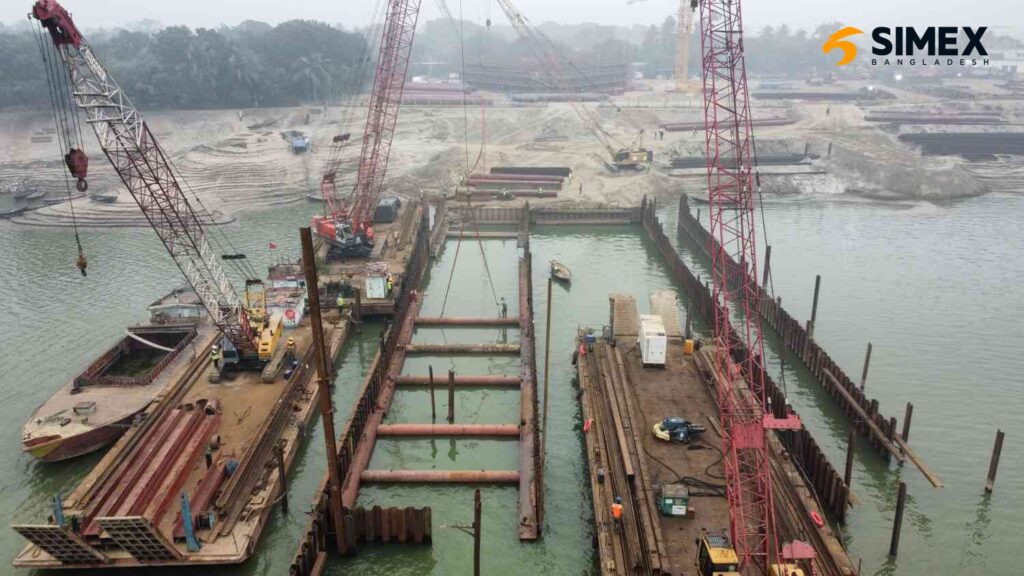
- Cofferdams
- Excavation supports
- Scaffolding
- Working platforms
- Access roads
- Temporary drainage systems
- Formwork systems
These systems may remain in place for only a short period, but their failure can create severe consequences.
Many incidents occur because temporary structures were modified in the field without engineering review or because site conditions changed after installation.
Every temporary system should be inspected regularly throughout the project lifecycle.
Groundwater and Water Management Issues
Water is one of the most underestimated hazards in construction.
Even a small increase in groundwater pressure can affect excavation stability, retaining systems, and temporary structures.
Common water-related risks include:
- Excavation flooding
- Soil erosion
- Foundation instability
- Equipment access problems
- Slope failures
- Reduced visibility and worker mobility
Projects located near rivers, canals, ports, or coastal areas face even greater challenges.
Contractors should monitor groundwater conditions continuously and maintain backup pumping equipment when necessary.
Equipment Blind Spots and Movement Hazards
Heavy machinery creates hazards that many workers become accustomed to over time.
Excavators, cranes, loaders, and dump trucks have blind spots that can hide workers from operators.
Research from infrastructure projects shows that vehicle-related incidents account for approximately 25% of serious construction injuries worldwide.
Common contributing factors include:
- Poor traffic planning
- Inadequate spotters
- Congested work zones
- Unmarked pedestrian routes
- Limited visibility during night operations
Well-defined traffic management plans can significantly reduce these risks.
Inadequate Supervision During Routine Activities
Many safety programs focus on high-risk operations.
Ironically, routine activities often receive less supervision because workers perform them regularly.
Examples include:
- Material handling
- Equipment fueling
- Housekeeping
- Site access management
- Small excavation works
- Tool operation
Workers may become comfortable with familiar tasks and overlook hazards that would otherwise receive attention.
Routine work should remain part of regular safety inspections and audits.
Fatigue and Long Working Hours
Fatigue is one of the least visible safety threats on construction sites.
Large infrastructure projects frequently operate under strict schedules. Extended shifts, night work, and continuous operations can reduce worker alertness.
Studies suggest that workers operating after 12-hour shifts may experience performance declines similar to those associated with alcohol impairment.
Signs of fatigue include:
- Reduced concentration
- Slower reaction times
- Poor decision-making
- Increased mistakes
- Reduced situational awareness
Managing work schedules properly is critical for maintaining safe operations.
Weather Conditions Beyond Rainfall
Most contractors prepare for rain.
Fewer projects adequately address other weather-related hazards.
These include:
High Winds
Strong winds can affect cranes, lifting operations, scaffolding, and temporary structures.
Extreme Heat
Heat stress can lead to dehydration, fatigue, and reduced worker performance.
Reduced Visibility
Fog, dust, and storms can increase accident risks around moving equipment.
Rapid Water Level Changes
River and marine projects can experience sudden water level fluctuations that affect work areas.
Weather monitoring should be integrated into daily construction planning.
Incomplete Emergency Preparedness
Emergency procedures often exist only on paper.
When an actual emergency occurs, workers may not know:
- Evacuation routes
- Emergency contacts
- Assembly points
- Rescue procedures
- First aid locations
Emergency drills help identify weaknesses before real incidents occur.
Construction sites should regularly test emergency response procedures rather than relying solely on documentation.
Contractor and Subcontractor Coordination Issues
Modern construction projects depend heavily on subcontractors.
Different companies may have different safety cultures, reporting procedures, and operational standards.
Without proper coordination:
- Hazards may go unreported
- Responsibilities become unclear
- Safety requirements vary between crews
- Inspections become inconsistent
Successful projects establish common safety standards for all contractors operating on site.
Failure to Update Risk Assessments
Risk assessments are often prepared during project startup.
Many contractors fail to update them when site conditions change.
Construction environments evolve continuously.
Changes may include:
- New equipment
- Different work methods
- Weather impacts
- Design modifications
- Increased workforce numbers
- New subcontractors
Risk assessments should remain active documents throughout project execution.
Lessons from Major Infrastructure Projects
Large infrastructure projects consistently show similar patterns when incidents occur.
Investigations often identify:
- Incomplete planning
- Weak supervision
- Communication failures
- Insufficient inspections
- Poor temporary works management
These issues are preventable when contractors adopt structured safety processes and maintain consistent oversight throughout construction.
Organizations that conduct regular audits and proactive inspections generally experience lower incident rates and fewer project disruptions.
Closing Thoughts
Construction safety is not limited to preventing major accidents. Many serious incidents begin with small issues that were overlooked during planning, supervision, or daily operations. Contractors that focus on site investigation, communication, temporary works management, equipment safety, and workforce coordination are better positioned to deliver projects safely and efficiently.
At SIMEX Bangladesh, safety remains a core consideration throughout project planning and execution. By identifying hidden risks early and maintaining disciplined site management practices, construction teams can reduce incidents, protect personnel, and maintain steady project progress even in challenging working environments.