
Why Industrial Landscaping Is Often Ignored (and Why That’s a Mistake)
Let's See The Topics
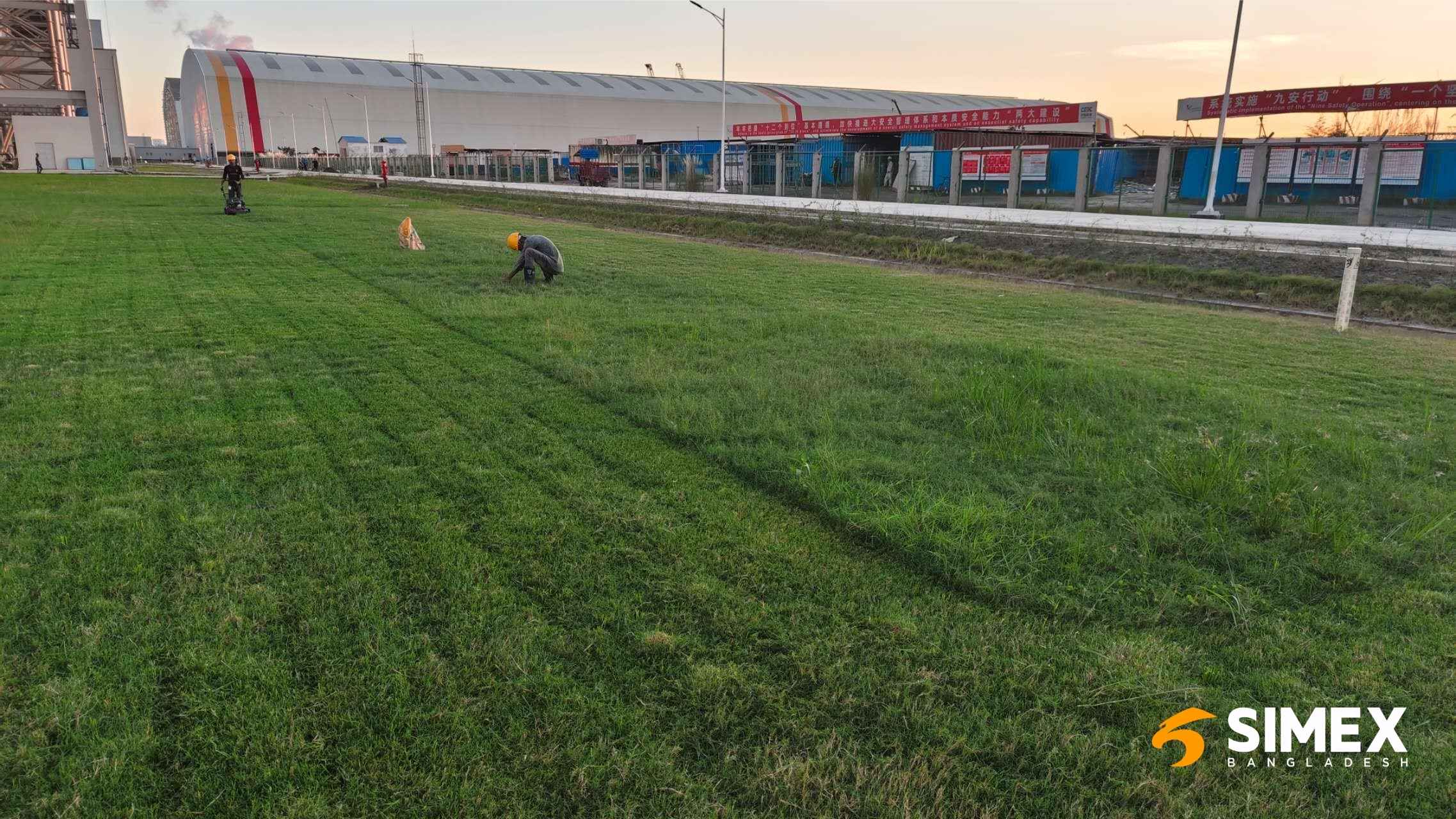
When planning a new industrial facility, project owners usually focus on buildings, roads, utilities, machinery, and production capacity. Landscaping is often viewed as a cosmetic feature that can be completed later or removed entirely to reduce costs.
This decision seems reasonable during the early budgeting phase, but many industrial developments later experience problems that could have been prevented through proper site landscaping.
Companies working with an experienced Industrial Landscaping Company in Bangladesh often realize that landscaping is not simply about planting trees or making a facility look attractive. It directly affects soil stability, drainage, dust control, environmental compliance, and long-term maintenance expenses.
Large industrial facilities, ports, power plants, and economic zones require planned green infrastructure to support the long-term performance of the entire project.
Industrial Landscaping Is Usually the Last Priority
Most industrial developments allocate their budget to:
- Structural construction
- Mechanical and electrical systems
- Production equipment
- Utility infrastructure
- Access roads and logistics areas
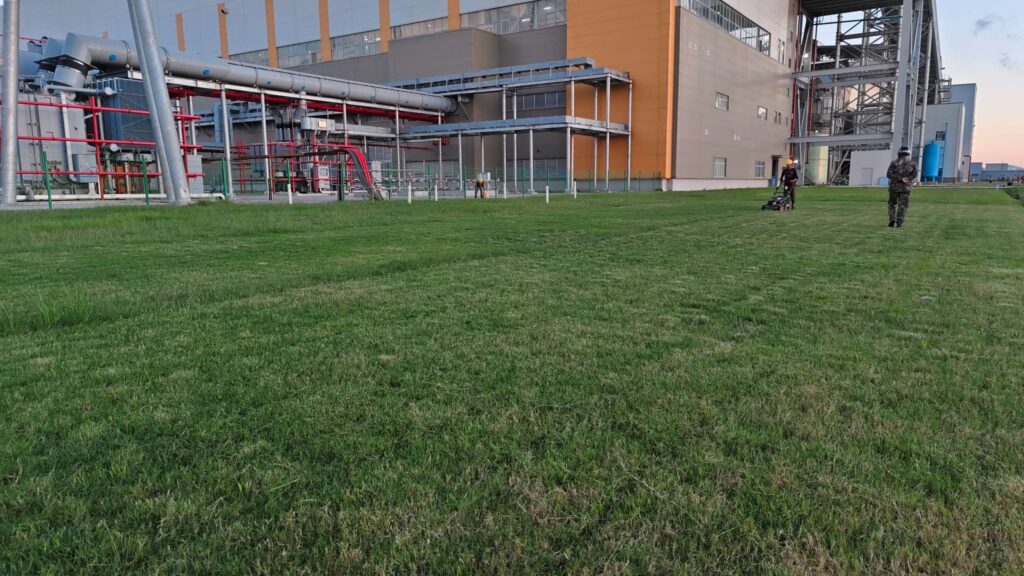
Greenbelt development and site landscaping are commonly postponed until the final stages of the project.
A recent study published by the International Finance Corporation (IFC) found that nearly 58% of industrial projects in developing countries experience environmental issues because of inadequate site landscaping and erosion control measures.
Ignoring landscaping may reduce short-term expenses, but it often creates operational challenges that become much more expensive later.
Poor Landscaping Leads to Soil Erosion Problems
Industrial facilities often cover large areas of land. Once vegetation is removed during construction, exposed soil becomes vulnerable to:
- Heavy rainfall
- Surface runoff
- Wind erosion
- Flooding
- Sediment movement
In coastal and river areas, soil loss can become severe within a few months.
For example, several industrial facilities in South Asia reported maintenance costs increasing by nearly 20% after erosion damaged drainage systems and access roads.
Proper industrial landscaping reduces these risks through:
- Turfing systems
- Vegetation barriers
- Slope stabilization
- Tree plantation
- Controlled drainage planning
These measures protect infrastructure investments for many years.
Dust Pollution Creates Operational Challenges
Many factories and industrial parks operate in dry conditions where exposed soil produces excessive dust.
Dust accumulation can:
- Damage equipment
- Increase maintenance costs
- Affect employee health
- Reduce visibility
- Create complaints from nearby communities
A report by the World Bank estimated that industrial dust management costs can account for 5% to 10% of annual facility maintenance expenses in large industrial developments.
Strategic landscaping significantly reduces airborne dust by stabilizing soil and creating natural wind barriers.
Landscaping Helps Manage Stormwater
Industrial facilities generate large amounts of runoff during heavy rainfall.
Without proper landscaping:
- Water ponds around buildings
- Roads deteriorate faster
- Drainage channels become blocked
- Flooding disrupts operations
Trees, vegetation, grass systems, and bio-retention areas help absorb rainfall and slow down water movement.
Studies indicate that properly landscaped industrial sites can reduce surface runoff by 30% to 50%, depending on soil conditions and vegetation density.
Environmental Compliance Is Becoming More Important
Government agencies and international lenders increasingly require environmental protection measures for major projects.
Many industrial developments now need:
- Greenbelt zones
- Buffer plantations
- Soil stabilization systems
- Erosion prevention measures
- Dust control plans
Projects financed by international institutions often require environmental management plans before construction approval.
Working with an experienced Commercial landscaping company in Bangladesh helps project owners meet these requirements more effectively.
Landscaping Improves Worker Well-Being
Industrial environments are often dominated by concrete, steel, and machinery.
Several studies have shown that green spaces can improve employee satisfaction and reduce workplace stress.
According to research from the University of Exeter, workers with access to green environments reported:
- Higher job satisfaction
- Lower stress levels
- Better concentration
- Improved workplace comfort
Although landscaping is not a direct production asset, it contributes to a better working environment and supports employee retention.
Ignoring Landscaping Increases Maintenance Costs
Many project owners believe landscaping adds unnecessary expenses.
The reality is often the opposite.
Without landscaping, facilities may experience:
- Frequent road repairs
- Drainage maintenance
- Dust control expenses
- Soil stabilization costs
- Erosion repairs
The American Society of Landscape Architects estimates that preventive landscaping can lower long-term site maintenance costs by 15% to 25%.
The cost of proper landscaping during construction is usually much lower than the cost of repairing environmental damage later.
Industrial Landscaping Supports Corporate Image
Environmental responsibility has become an important part of modern business operations.
Investors, clients, and regulatory authorities increasingly pay attention to:
- Environmental performance
- Site appearance
- Sustainability initiatives
- Community impact
A properly maintained industrial site creates a positive impression and demonstrates long-term commitment to responsible operations.
For companies seeking international partnerships or foreign investment, environmental performance often influences business decisions.
Landscaping Protects Infrastructure Assets
Industrial landscaping also protects physical assets.
Trees and vegetation help:
- Reduce soil movement
- Control wind erosion
- Stabilize slopes
- Protect drainage channels
- Improve ground conditions
For facilities located near rivers, ports, and coastal regions, these measures become even more important.
Many infrastructure projects now include landscaping as part of their risk management strategy rather than treating it as a decorative addition.
Industrial Projects Need Early Landscaping Planning
One common mistake is waiting until construction is nearly complete before considering landscaping.
Early planning allows project teams to:
- Prepare drainage systems properly
- Preserve topsoil
- Design greenbelt zones
- Select suitable plant species
- Reduce future construction conflicts
Companies looking for specialized support often work with an Industrial garden design company in Bangladesh to integrate landscaping requirements during the planning stage.
Early planning generally produces better results and lower costs.
Landscaping Supports Sustainability Goals
Many industries are adopting Environmental, Social, and Governance (ESG) principles.
Industrial landscaping contributes directly to these goals by:
- Improving biodiversity
- Capturing dust and pollutants
- Lowering heat island effects
- Supporting water management
- Creating healthier environments
As environmental standards continue to evolve, industrial landscaping will become an increasingly important part of infrastructure development.
Why Industrial Landscaping Should Never Be Ignored
Industrial landscaping is often treated as an optional expense because its benefits are not always visible during construction.
The long-term reality is very different.
Poor landscaping decisions can lead to:
- Soil erosion
- Drainage problems
- Higher maintenance costs
- Dust pollution
- Environmental compliance issues
- Infrastructure deterioration
Proper landscaping protects investments, improves environmental performance, and supports safer, more sustainable industrial operations.
Closing Thoughts
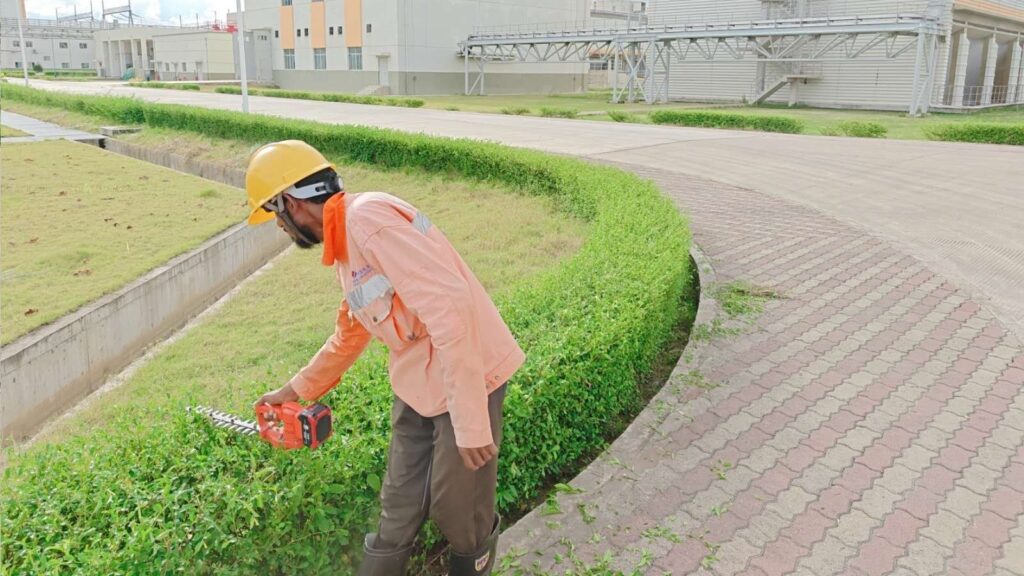
Industrial landscaping is not simply about appearance. It is an important component of site engineering and long-term asset protection. Organizations planning large industrial facilities should consider landscaping from the early stages of project development rather than treating it as an afterthought.
At SIMEX Bangladesh, we have seen how properly planned industrial landscaping can improve site performance, reduce maintenance costs, and support long-term environmental sustainability. Investing in green infrastructure today can prevent much larger expenses and operational challenges in the future.