
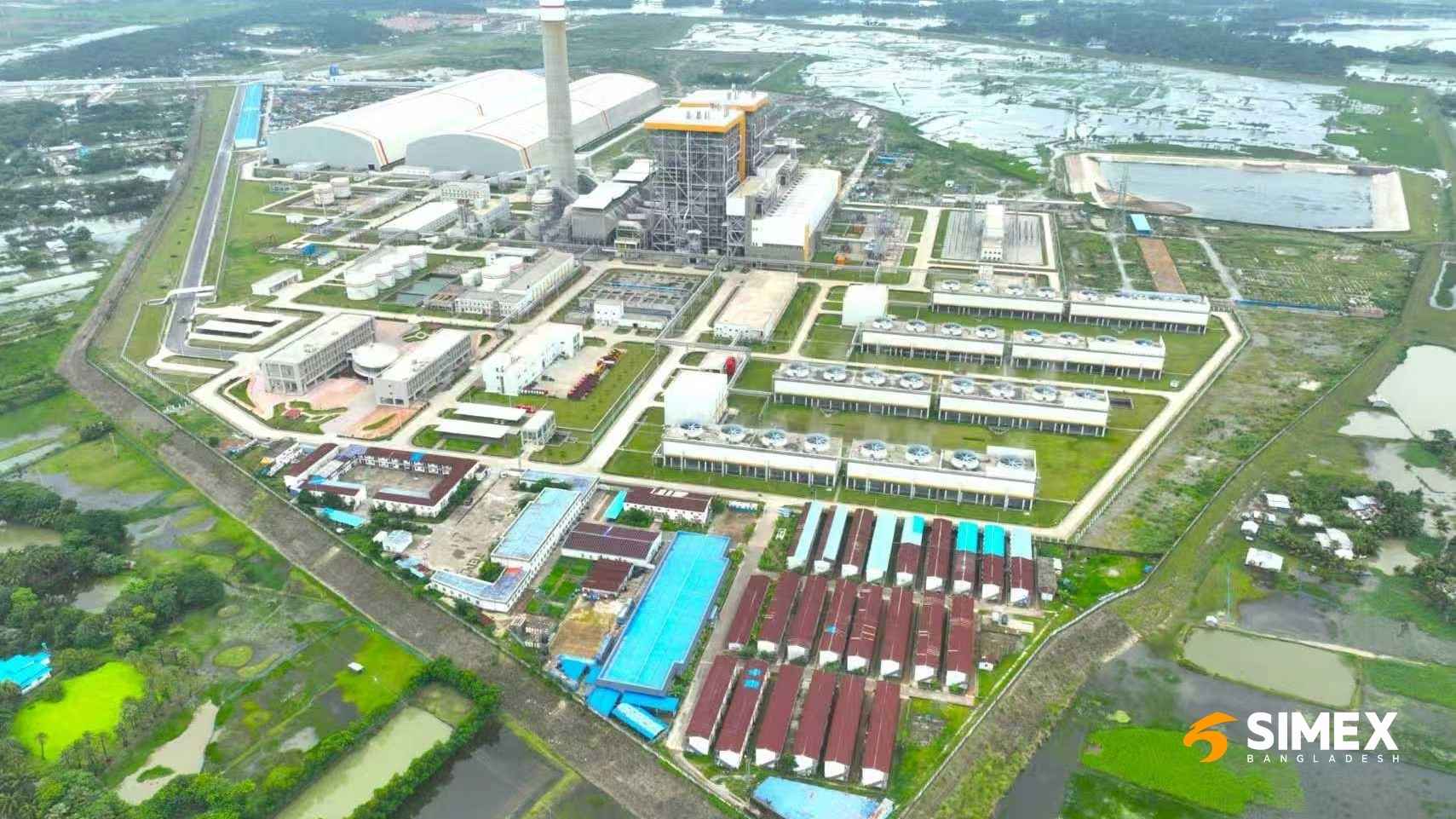
Long-Term Maintenance Challenges in Large Landscapes
Let's See The Topics
Managing large outdoor areas is not a one-time task. It requires continuous care, planning, and technical understanding of soil, water flow, plant behavior, and infrastructure conditions. In many industrial and commercial projects, the initial setup receives attention, while long-term upkeep becomes harder over time. This creates gradual decline in quality, safety concerns, and higher repair costs later.
SIMEX Bangladesh works with industrial and infrastructure projects where maintenance planning is treated as part of the full project lifecycle, not an afterthought.
Early planning support from an experienced partner like an Industrial Landscaping Company in Bangladesh helps reduce long-term maintenance pressure and avoids unnecessary repair cycles.
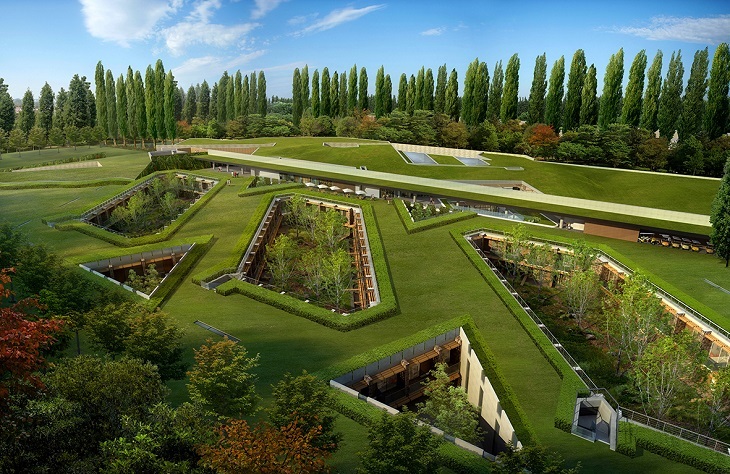
Why Long-Term Maintenance Becomes Difficult in Large Areas
Large outdoor sites behave differently compared to small gardens or office yards. The scale increases exposure to weather, soil erosion, water accumulation, and operational stress from machinery or foot traffic.
A study by the International Facility Management Association (IFMA) shows that maintenance costs for outdoor infrastructure can reach 15–20% of total facility operating expenses annually when not properly planned. In industrial zones, this can rise even higher due to heavy use.
Several factors contribute to this situation:
- Uneven ground settlement over time
- Water drainage failures during monsoon seasons
- Rapid wear of turf, soil, and paved sections
- Lack of scheduled inspection systems
- Limited coordination between construction and maintenance teams
Without structured planning, even well-designed areas lose function within a few years.
Soil and Ground Condition Changes Over Time
Soil behavior is one of the most overlooked aspects of long-term site care. After construction, soil continues to settle, compact, and shift depending on rainfall and load pressure.
In Bangladesh’s climate, monsoon rainfall increases soil erosion risks by up to 30–40% in open industrial zones, especially where drainage design is weak. This leads to:
- Uneven surfaces affecting vehicle movement
- Pooling of water in low areas
- Weak root support for plants
- Cracks in paved sections
Repairing soil issues later often costs 2–3 times more than addressing them during initial design. SIMEX Bangladesh frequently integrates soil stabilization planning into early project stages to avoid such recurring problems.
Water Management and Drainage Strain
Water flow control is a critical factor in long-term site stability. Large areas require carefully designed drainage systems that can handle both normal rainfall and extreme weather events.
Common long-term issues include:
- Blocked drainage channels due to debris buildup
- Overflow during heavy rainfall
- Improper slope design leading to stagnant water
- Corrosion of underground pipes
In industrial zones, water-related maintenance issues account for nearly 25% of annual repair work. Once drainage systems fail, repair work often requires partial site shutdown, affecting operations and logistics.
Regular inspection schedules and proper gradient design help reduce these risks, but many sites lack consistent monitoring after construction.
Wear and Tear from Continuous Usage
Industrial and commercial outdoor spaces are exposed to constant movement of vehicles, equipment, and workers. Over time, this creates visible and structural damage.
Common patterns include:
- Cracked pavements from heavy load pressure
- Deformation in walkways and loading zones
- Soil compaction reducing plant health
- Marked decline in surface quality
Research from construction maintenance reports indicates that heavy-use outdoor zones show visible degradation within 3–5 years without periodic intervention.
SIMEX Bangladesh often designs access routes and load-bearing zones separately from green or soft areas to reduce this pressure imbalance.
Plant and Vegetation Maintenance Over Time
Plant growth is not static. Species selection, spacing, and soil condition directly influence how much maintenance is required later.
Large sites often face:
- Overgrown plants blocking pathways
- Dry patches due to uneven irrigation
- Pest infestation spreading across zones
- Seasonal plant loss due to climate stress
In tropical regions like Bangladesh, nearly 35% of planted vegetation in unmanaged sites requires replacement within 2 years due to improper maintenance cycles.
Regular pruning schedules, soil nutrient checks, and irrigation adjustments are required to maintain balance. Without these steps, plant systems become unstable and visually inconsistent.
Equipment Dependency and Maintenance Costs
Maintaining large areas requires machinery such as mowing equipment, irrigation systems, pumps, and drainage cleaning tools. These systems require regular servicing.
Key challenges include:
- High fuel and operating costs
- Breakdown of irrigation pumps during peak season
- Lack of spare parts for imported machines
- Dependency on skilled technicians
Annual maintenance budgets for large industrial sites often increase by 10–15% due to equipment aging alone. Many site owners underestimate this cost during initial planning.
Human Resource Limitations
Skilled manpower is a major factor in long-term site performance. Large outdoor areas require trained teams for irrigation control, pruning, inspection, and repair work.
Common issues include:
- Shortage of trained maintenance staff
- High turnover rates in field workers
- Lack of structured training programs
- Inconsistent supervision
Without skilled staff, even simple maintenance tasks get delayed, leading to larger repair needs later.
SIMEX Bangladesh often works with project owners to structure maintenance workflows so responsibilities remain clear and manageable.
Budget Gaps and Delayed Maintenance
One of the most common long-term problems is inconsistent budgeting. Many projects allocate strong funds for construction but reduce spending on maintenance after completion.
Industry reports show that deferred maintenance increases total repair costs by 40–60% over a 5–7 year period.
This leads to:
- Delayed repairs turning into structural damage
- Higher replacement costs instead of minor fixes
- Reduced safety in operational zones
Planned maintenance budgeting avoids sudden financial pressure and keeps site performance stable.
Coordination Issues Between Stakeholders
Large projects often involve multiple teams—designers, contractors, facility managers, and operators. When communication is weak, maintenance planning becomes fragmented.
This leads to:
- Missing maintenance schedules
- Overlapping responsibilities
- Delayed reporting of site issues
- Confusion in repair authority
Clear documentation and handover processes reduce these issues significantly. SIMEX Bangladesh includes structured handover documentation in its project workflow to support long-term clarity.
Role of Professional Support in Long-Term Care
Long-term site stability depends heavily on early design decisions and continuous support. A professional team ensures that maintenance requirements are considered during planning, not after problems appear.
Working with SIMEX Bangladesh helps project owners align construction quality with long-term usability. The focus is on reducing repair frequency, improving operational safety, and maintaining site performance across years.
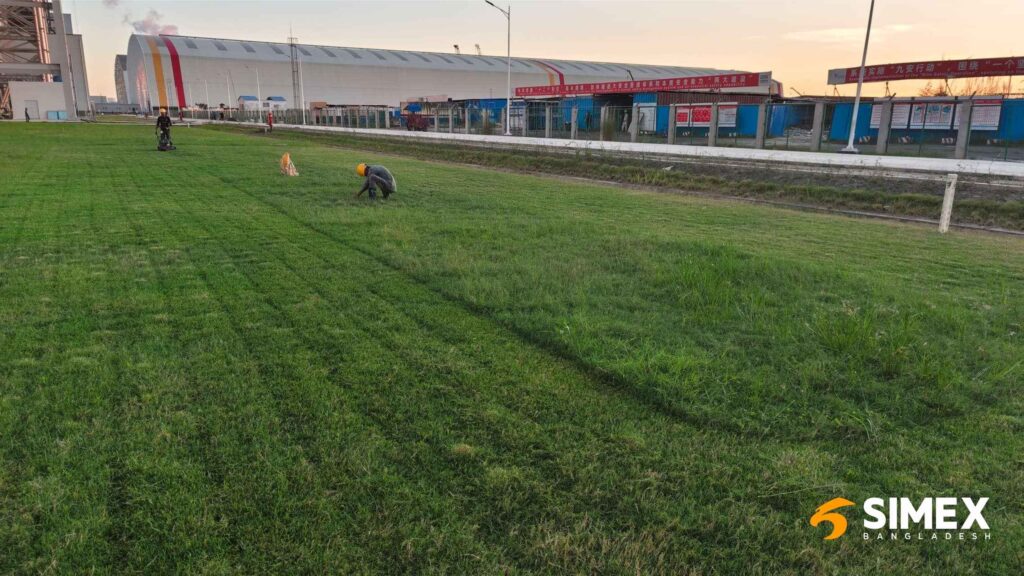
Final Thoughts
Large outdoor sites require more than construction effort. They demand consistent attention, proper planning, and structured maintenance systems. Without these elements, even well-built areas face rapid decline in function and appearance.
Understanding soil behavior, drainage systems, plant cycles, and equipment needs helps reduce long-term risks. When maintenance is treated as part of the overall project strategy, site performance remains stable and predictable over time.
SIMEX Bangladesh continues to support industrial and infrastructure projects with planning approaches that consider both construction and long-term upkeep from the beginning.