
Cost Escalation Factors in Industrial Building Projects
Let's See The Topics
Industrial building projects often begin with a carefully prepared budget, yet the final cost can be considerably higher than the original estimate. Material price changes, design revisions, site conditions, labour shortages, utility requirements, compliance work, and project delays can all increase expenditure.
For textile and garment manufacturers, these cost pressures can be particularly difficult because factory construction involves structural work, production areas, utilities, safety systems, storage, worker facilities, and specialized industrial infrastructure.
Companies planning a new facility can work with a qualified Textile Factory Construction Company in Bangladesh to coordinate planning, design, BOQ preparation, construction, and project requirements from the early stages.
Understanding where cost escalation comes from gives project owners a better opportunity to control the final construction budget.
What Causes Industrial Building Costs to Increase?
Cost escalation rarely comes from one issue. It is usually the result of several small changes that accumulate throughout the project.
A project initially estimated at Tk 20 crore, for example, could face a 5–10% increase if material prices, design changes, additional site work, and delays occur at different stages. The actual percentage varies widely by project, but even a relatively small increase can represent a large amount of money on a major industrial facility.
Here are some of the most common factors.
1. Steel and Construction Material Price Changes
Steel is a major cost component in many industrial buildings. Structural frames, roofing systems, columns, beams, purlins, platforms, stairs, and other components can all depend on steel prices.
A change of even 8% in the price of major steel materials can have a noticeable effect on the overall project budget.
Other materials can also contribute to escalation, including:
- Cement
- Reinforcement bars
- Bricks and blocks
- Roofing materials
- Insulation
- Electrical equipment
- Pipes and fittings
- Finishing materials
The longer a project remains exposed to market changes, the greater the chance that procurement costs will differ from the original estimate.
Early procurement planning and clear material specifications can help reduce unexpected changes.
2. Changes to the Original Design
Design changes are one of the most common reasons for construction cost increases.
A project may begin with a particular factory size or production arrangement. Later, the owner may request additional production lines, larger storage areas, new office spaces, extra loading bays, or changes to utility systems.
Each change can affect several other parts of the project.
For example, adding a production area may require:
- More structural steel
- Additional flooring
- Extra electrical capacity
- More ventilation
- Additional fire protection
- Drainage changes
- Modified access routes
A change that appears small from an operational perspective can therefore create a chain of additional construction expenses.
3. Incomplete BOQ and Initial Cost Estimation
A bill of quantities provides a foundation for understanding project costs. If important work is missing from the initial BOQ, the project budget may appear lower than the actual requirement.
Common omissions can include site development, temporary works, utility connections, drainage, testing, external works, equipment foundations, or compliance-related modifications.
An initial estimate should therefore be based on clear drawings, specifications, quantities, site information, and project requirements.
The more information available before construction starts, the lower the chance of major cost surprises later.
4. Poor Site Investigation
Ground conditions can have a major effect on industrial construction costs.
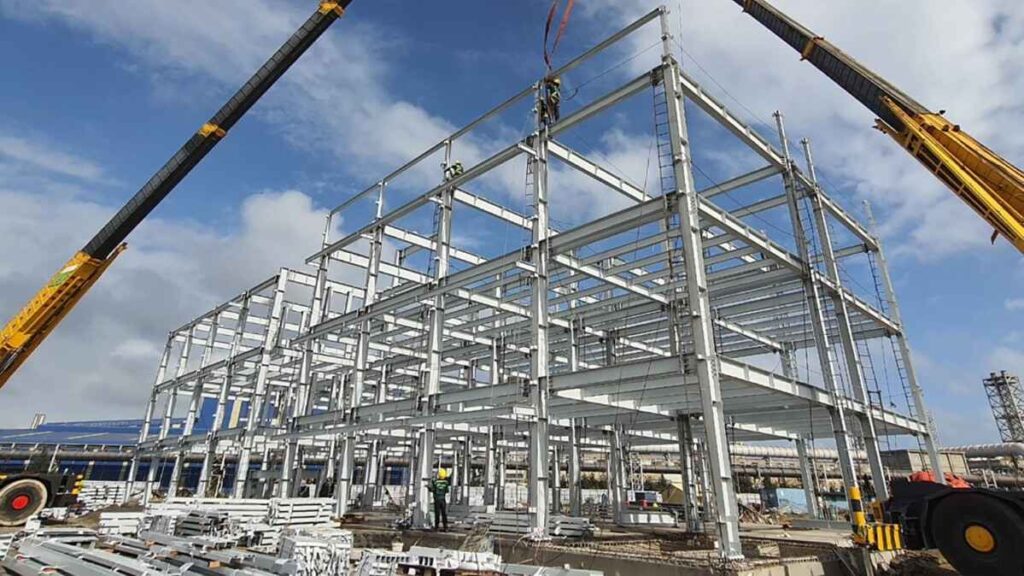
Unexpected soil conditions may require deeper foundations, additional piling, soil improvement, increased excavation, or other structural measures.
For example, if the original foundation estimate assumes ordinary soil but the site investigation later identifies weak ground, the foundation design may need substantial revision.
A detailed site investigation can reduce this uncertainty before the project budget is finalized.
5. Labour Availability and Wage Changes
Construction projects depend on skilled workers, engineers, supervisors, fabricators, welders, electricians, plumbers, equipment operators, and other personnel.
When skilled labour is limited, contractors may face higher wages or difficulty maintaining planned manpower levels.
Labour shortages can also extend the project schedule. Longer schedules mean additional costs for supervision, equipment, temporary facilities, security, and site management.
A project requiring 100 workers for a defined period may become more expensive if progress slows because only 70–80 workers are available.
6. Project Delays
Time has a direct relationship with construction cost.
A delay can increase expenses through extended equipment rental, site supervision, temporary utilities, labour costs, financing costs, and material storage.
Delays can come from many sources:
- Late design approvals
- Material shortages
- Weather
- Permit issues
- Site access problems
- Client changes
- Contractor coordination issues
- Utility connection delays
A three-month delay on a major industrial project can create substantial additional overhead even when the physical scope remains unchanged.
7. Changes in Utility Requirements
Industrial buildings require more than the physical structure.
Textile and garment factories may need electrical systems, generators, compressors, water supply, drainage, ventilation, fire protection, production utilities, and specialized mechanical systems.
If the utility demand is underestimated during planning, additional infrastructure may be required later.
For example, an increase in production machinery could require a larger electrical transformer, additional cabling, higher cooling capacity, or expanded compressed-air systems.
These changes can affect both construction cost and commissioning schedules.
8. Compliance and Safety Requirements
Industrial projects may need to satisfy various building, fire, workplace safety, environmental, and buyer-related requirements.
For garment manufacturers, compliance requirements can affect fire exits, structural elements, electrical installations, emergency systems, worker facilities, access routes, and other parts of the facility.
If these requirements are considered late, corrective work can become expensive.
A Garment Factory Construction Company in Bangladesh should therefore understand the relevant factory requirements before construction begins, particularly when the facility will serve international buyers.
9. Poor Coordination Between Contractors
Large industrial projects often involve several specialist teams.
Structural contractors, electrical teams, mechanical contractors, plumbing teams, fire safety specialists, equipment suppliers, and other parties must work according to a coordinated plan.
If one team installs a system without considering another team’s requirements, rework may follow.
For instance, a mechanical route may conflict with a structural member or electrical cable tray. Correcting the conflict after installation requires extra labour and may delay other activities.
Regular coordination meetings, updated drawings, site inspections, and clear responsibilities can reduce these problems.
10. Changes in Factory Requirements During Construction
Business needs can change while construction is underway.
A manufacturer may increase planned production capacity, introduce new machinery, add another product line, or change its storage requirements.
These decisions can be commercially sensible but may increase the construction budget.
For a Textile Factory Building Construction Bangladesh project, the design should therefore consider current requirements as well as reasonable future needs.
This can reduce the need for major structural changes when production expands.
11. Poor Material Procurement Planning
Buying materials at the wrong time can create financial pressure.
Ordering too early may increase storage and handling requirements. Ordering too late can delay construction and expose the project to price increases.
A procurement schedule should be connected to the construction programme.
Major materials with long delivery periods should receive particular attention. Steel, electrical equipment, mechanical equipment, specialized doors, roofing systems, and other imported or manufactured items may require longer lead times.
12. Quality Problems and Rework
Poor workmanship can create another layer of cost.
Incorrect welding, defective concrete work, improper installation, damaged materials, and measurement errors may require demolition and replacement.
Rework consumes materials and labour while also taking time away from planned construction activities.
Quality inspections at key stages can identify problems before they become larger and more expensive.
How Can Project Owners Control Cost Escalation?
Cost control begins before construction.
Prepare a Detailed Project Scope
Clearly define the building size, production requirements, utilities, finishes, external works, equipment requirements, and compliance needs.
Conduct Proper Site Studies
Ground conditions, drainage, access, utilities, and site levels should be assessed before finalizing the construction budget.
Prepare a Detailed BOQ
The BOQ should cover the full project scope rather than focusing only on the main building structure.
Set a Reasonable Contingency
Even a well-planned project can experience unexpected costs. A reasonable contingency provides some financial protection against genuine changes and unforeseen site conditions.
Coordinate Design Before Construction
Architectural, structural, electrical, mechanical, fire, drainage, and production requirements should be reviewed together.
Monitor Costs During Construction
Project owners should compare actual expenditure with the approved budget at regular intervals. Early identification of cost increases gives management more time to respond.
Choosing the Right Construction Partner
For industrial projects, contractor selection can have a direct effect on cost control.
A Garment Factory Building Construction Bangladesh project requires coordination between structural work, production requirements, utilities, safety systems, and future expansion.
An experienced Textile Factory Contractor in Bangladesh can help identify construction issues before they create major changes on site.
The contractor’s role should not be limited to physical construction. Planning, quantity estimation, procurement, engineering coordination, quality inspection, scheduling, and handover all influence the final project cost.
Final Thoughts
Industrial construction budgets can change for many reasons, but most cost escalation factors can be identified and managed through proper planning.
Material prices, design revisions, site conditions, labour availability, delays, utility requirements, compliance work, procurement, and rework all deserve attention before and during construction.
For SIMEX Bangladesh, careful project planning should remain at the centre of industrial construction work. A clear scope, realistic BOQ, coordinated engineering design, controlled procurement, and regular site monitoring can give project owners better visibility over their investment and reduce avoidable financial surprises.