
The Real Challenges in Large-Scale Textile-Factory Infrastructure
Let's See The Topics
steam, water, ventilation, cooling, drainage, fire protection, and wastewater treatment may all be required. Each system has its own technical requirements, but they must operate within the same facility.
The challenge is often not installing each system individually. It is coordinating them.
For example, electrical cable routes may cross mechanical services. Drainage lines may conflict with foundations. Production machinery may require more power than initially estimated.
Utility planning should therefore take place alongside architectural and structural design instead of being treated as a later construction activity.
3. Designing Around Production Flow
Factory infrastructure must support production.
Raw materials should have a logical route from receiving areas to storage and production. Finished products need convenient movement toward inspection, packing, storage, and dispatch areas.
Poor circulation planning can create unnecessary movement and congestion.
Suppose material handling adds only five minutes to each production cycle. Across hundreds of repeated movements each day, that additional time can become a noticeable operating expense.
Good factory planning considers:
- Raw material receiving
- Storage
- Production lines
- Quality control
- Packing
- Finished goods storage
- Loading and unloading
- Worker circulation
- Maintenance access
The building should be arranged around how the factory works rather than simply how the building looks on paper.
4. Managing Large Structural Requirements
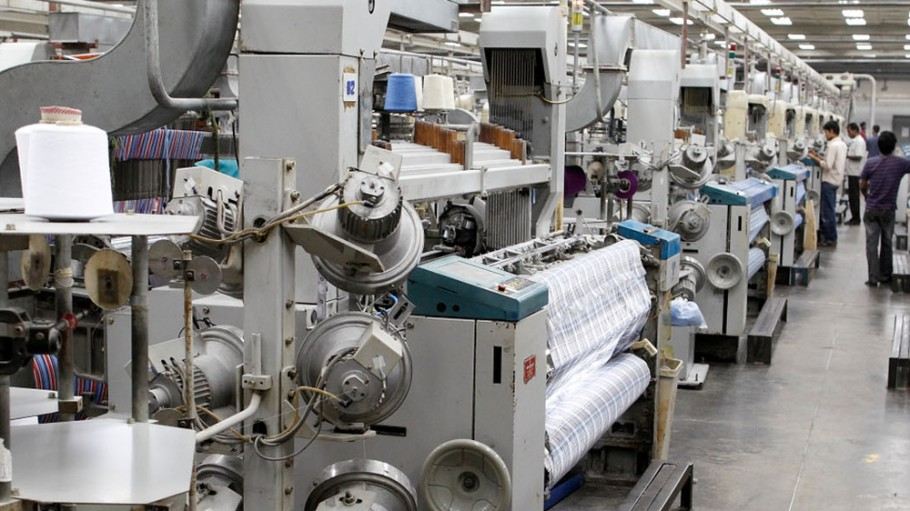
Textile factories can contain heavy machinery, storage racks, equipment platforms, overhead systems, and other loads.
The structural design needs to account for current requirements and reasonable future changes.
Floor loading is especially important in areas containing heavy equipment or storage. Roof structures may also need to accommodate mechanical systems, maintenance access, and other equipment.
A Garment Factory Construction Company in Bangladesh needs to understand these operational requirements before structural design is finalized.
If the structure is designed without sufficient information about machinery and production requirements, modifications may become necessary after construction.
5. Fire and Workplace Safety Requirements
Fire safety is a major consideration in textile and garment facilities.
Factories may contain large quantities of fabric, packaging, chemicals, and other materials. Emergency exits, fire separation, alarm systems, firefighting equipment, access routes, and worker movement need careful planning.
Safety requirements can also influence building layout.
For example, adding emergency exits after construction may require structural changes, modifications to walls, external access arrangements, or changes to internal circulation.
Planning these requirements early can reduce expensive corrective work later.
6. Meeting International Buyer Requirements
Many Bangladesh-based textile and garment manufacturers supply international brands. Their factories may therefore need to meet specific buyer requirements and safety standards.
Compliance can influence:
- Structural safety
- Fire protection
- Electrical systems
- Worker facilities
- Emergency access
- Building maintenance
- Environmental controls
Compliance should not be treated as an inspection-stage issue. Requirements should be incorporated into project planning, design, procurement, and construction.
7. Managing Construction While the Factory Is Operating
Factory expansion projects create another challenge: construction may need to happen while existing production continues.
Construction traffic, dust, noise, temporary utility shutdowns, material storage, and worker movement can interfere with production.
Project teams may need to divide work into phases so that critical operations continue.
For example, a new utility line may need to be installed without interrupting the existing production system. This requires careful scheduling and coordination between the construction and factory management teams.
8. Drainage and Rainwater Management
Large factory sites contain extensive roofs, paved yards, internal roads, loading zones, and parking areas.
During heavy rainfall, these surfaces can generate large quantities of runoff.
If drainage capacity is insufficient, water may accumulate around production buildings, loading areas, or internal roads.
Drainage planning should account for:
- Roof runoff
- Surface water
- Internal roads
- Loading yards
- Parking areas
- Ground levels
- Discharge points
Drainage is often less visible than the factory building itself, but its failure can create serious operational problems.
9. Wastewater and Environmental Infrastructure
Textile production can generate wastewater that requires appropriate treatment before discharge.
The wastewater treatment system needs to match the factory’s production processes and expected flow.
The challenge is estimating future capacity correctly.
If production expands significantly after construction, an undersized treatment facility may require modification. Space for additional treatment units, tanks, pumps, and supporting systems should therefore be considered during the initial planning stage.
Environmental infrastructure should be treated as part of the factory system rather than an isolated facility.
10. Procurement and Material Availability
Large projects require significant quantities of construction materials and equipment.
Steel, cement, electrical equipment, mechanical systems, roofing materials, generators, transformers, pumps, fire protection equipment, and other components may have different procurement timelines.
A delay in one critical component can affect several construction activities.
For example, if a major electrical component arrives late, installation and commissioning may also be delayed. This can affect production start-up and project financing.
Procurement planning should therefore be connected directly to the construction programme.
11. Keeping the Project Within Budget
Large industrial projects are exposed to cost changes.
Material price fluctuations, design changes, additional site work, labour costs, equipment requirements, and delays can all affect the final budget.
A project owner should not evaluate a contractor only by the initial quotation. The scope of work, BOQ, specifications, exclusions, schedule, quality controls, and payment structure should also be reviewed.
Clear documentation reduces disputes and makes cost changes easier to track.
12. Planning for Future Expansion
Textile production rarely remains static.
Manufacturers may add machinery, increase capacity, introduce new processes, or expand storage requirements.
A factory designed without future requirements in mind may become restrictive within a relatively short period.
A Textile Factory Building Construction Bangladesh project should therefore consider column spacing, service capacity, access routes, utility corridors, structural provisions, and available land for future additions.
The aim is not to construct unnecessary facilities. It is to avoid creating preventable barriers to future growth.
The Role of Integrated Project Planning
The different challenges of textile factory infrastructure are closely connected.
A structural change can affect utilities. A production layout can affect fire safety. A drainage route can affect foundations. A new machine can affect electrical and ventilation requirements.
This is why project planning needs input from different engineering disciplines before construction begins.
For a Garment Factory Building Construction Bangladesh project, coordinated planning can reduce design conflicts and limit changes during construction.
A capable Textile Factory Contractor in Bangladesh should also be able to coordinate site execution, material procurement, quality inspections, scheduling, and communication between different project teams.
How Project Owners Can Reduce Infrastructure Problems
Several practical steps can reduce risks before construction starts:
Conduct Detailed Site Investigation
Understand soil, groundwater, drainage, access, and existing utility conditions.
Define Production Requirements
Provide engineers with machinery information, production capacity, storage needs, and future expansion plans.
Coordinate Engineering Designs
Review architectural, structural, electrical, mechanical, fire, drainage, and environmental systems together.
Prepare a Clear BOQ
Make sure the budget covers both the main building and supporting infrastructure.
Plan Construction Phases
For expansion projects, separate construction work from active production areas wherever possible.
Review Future Requirements
Consider reasonable production growth before finalizing structural and utility capacity.
Final Thoughts
Large-scale textile factory infrastructure involves many connected systems. The main building is only one part of the project.
Site conditions, structural design, production flow, utilities, drainage, fire safety, environmental systems, procurement, compliance, and future expansion all need attention from the early planning stage.
For SIMEX Bangladesh, successful factory construction means connecting these requirements into a practical project plan. Careful engineering, clear cost planning, site coordination, and close attention to factory operations can help manufacturers build facilities that remain suitable as production requirements change.