
The Hidden Financial Risks of Poor Industrial Waste Management
Let's See The Topics
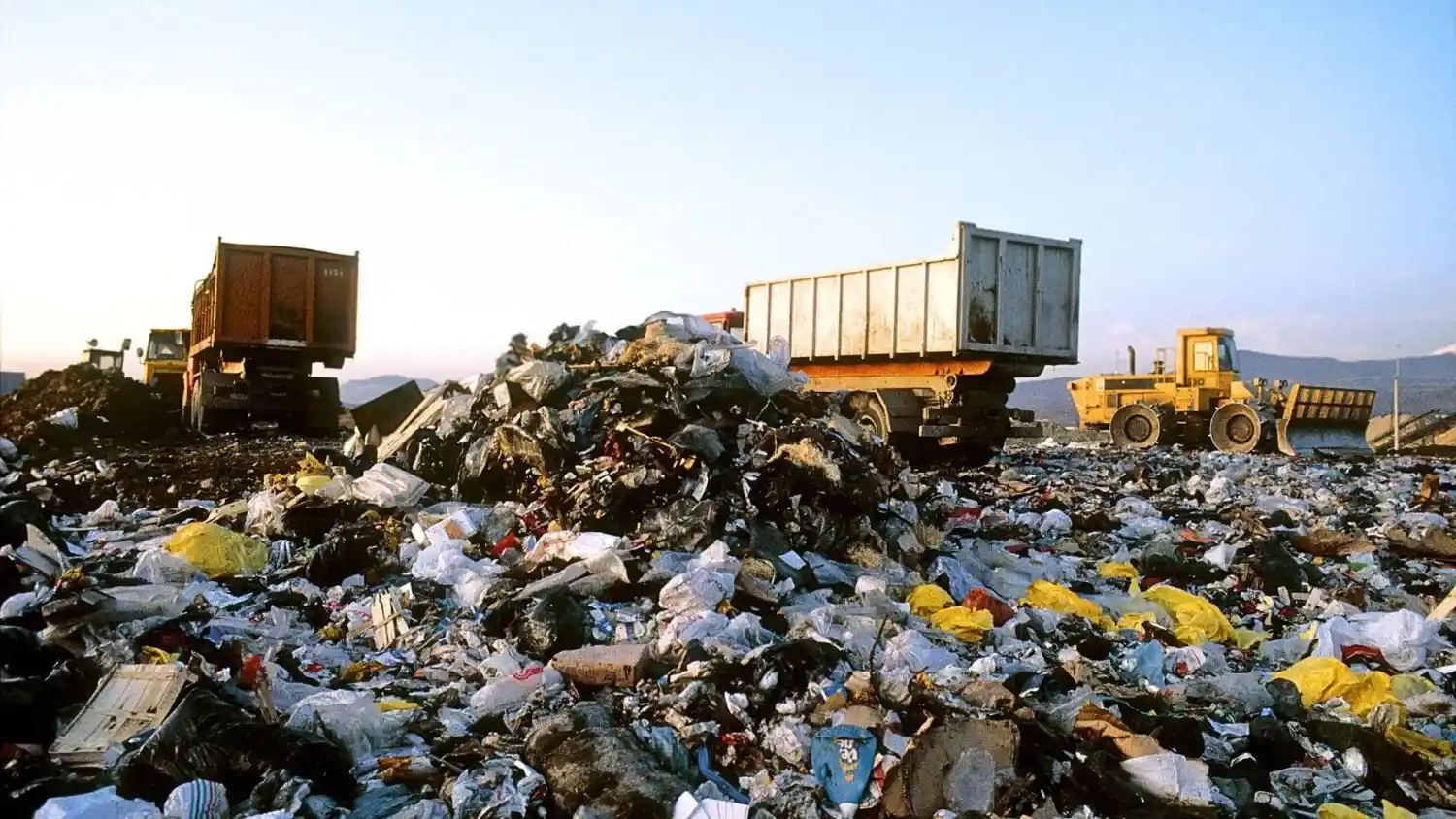
Industrial waste is an unavoidable part of manufacturing, construction, healthcare, food processing, and infrastructure development. Every day, businesses generate different forms of solid waste, hazardous materials, wastewater sludge, packaging waste, scrap metal, and chemical by-products. Managing these materials responsibly is not simply an environmental obligation—it is also a financial decision that directly affects long-term business performance.
Many organizations focus heavily on production targets, equipment investment, and project delivery while treating waste handling as a secondary responsibility. This approach often creates hidden expenses that remain unnoticed until they begin affecting profitability.
Businesses looking for reliable Waste Management Company in Bangladesh solutions often realize that proper waste planning is considerably less expensive than dealing with regulatory penalties, project delays, damaged equipment, or environmental incidents after they occur.
Poor waste management rarely causes one large financial loss overnight. Instead, it creates a chain of small expenses that accumulate over months and years. According to environmental compliance reports from several industrial regions in Asia, companies that operate without structured waste management procedures may spend 15% to 30% more on corrective actions than businesses with planned waste handling systems. These additional costs often come from emergency cleanup, production interruptions, damaged materials, legal compliance, and repeated disposal activities.
Understanding these financial risks allows project owners, factory managers, and investors to make informed decisions before small operational issues develop into expensive business problems.
Waste Management Costs Go Beyond Waste Collection
Many companies believe waste management only involves transporting unwanted materials away from the facility. In reality, the financial picture is much broader.
Industrial waste influences:
- Regulatory compliance
- Employee safety
- Equipment performance
- Production continuity
- Insurance costs
- Environmental reputation
- Future project approvals
Ignoring any of these areas eventually creates expenses that were never included in the original project budget.
Regulatory Violations Can Become Expensive
Environmental regulations continue to become stricter as governments place greater attention on industrial pollution, hazardous materials, and water protection.
Improper storage, illegal dumping, or failure to document waste movement can expose businesses to:
- Government penalties
- Environmental investigations
- Temporary shutdown orders
- License renewal delays
- Mandatory remediation work
These financial consequences often exceed the cost of proper waste handling many times over.
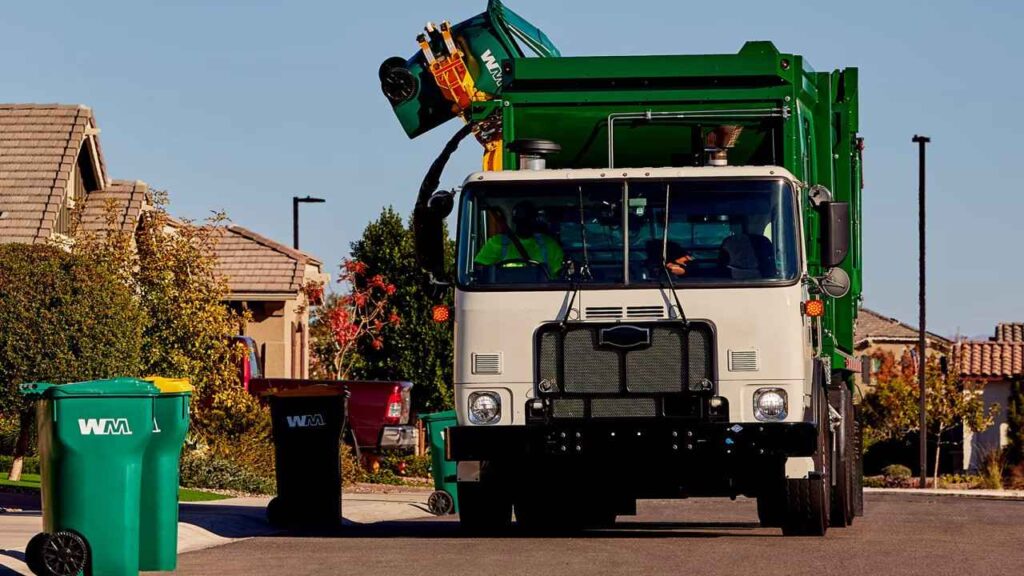
Working with qualified Waste management services in Bangladesh helps businesses maintain documentation, approved disposal methods, and regulatory compliance throughout the waste management process.
Production Delays Reduce Profitability
Improper waste storage creates operational bottlenecks.
Accumulated waste occupies valuable working space, restricts equipment movement, blocks transportation routes, and increases safety risks for workers.
Production managers often underestimate how these small disruptions affect productivity.
For example, if a manufacturing facility producing goods worth BDT 25 lakh per day experiences just two days of interruption due to waste handling issues, direct production losses can exceed BDT 50 lakh before considering labor, equipment, and customer delivery penalties.
Planning waste handling alongside production schedules prevents these interruptions.
Hazardous Waste Incidents Carry Hidden Costs
Factories producing chemicals, pharmaceuticals, textiles, electronics, and heavy industrial products often generate hazardous waste requiring controlled handling.
Improper storage may result in:
- Chemical leaks
- Fire hazards
- Water contamination
- Soil contamination
- Worker exposure
Cleanup costs following hazardous incidents are often several times higher than preventive waste management expenses.
Choosing an experienced Industrial waste management company in Bangladesh helps reduce these operational and financial risks through proper collection, transportation, treatment, and disposal procedures.
Equipment Damage Often Starts with Poor Housekeeping
Industrial waste left around production equipment gradually creates additional maintenance requirements.
Examples include:
- Dust entering machinery
- Chemical corrosion
- Blocked drainage systems
- Damaged vehicle tires
- Reduced warehouse efficiency
Maintenance costs increase slowly, making the financial impact difficult to notice during routine operations.
Over several years, these expenses become substantial.
Construction Projects Also Generate Costly Waste Problems
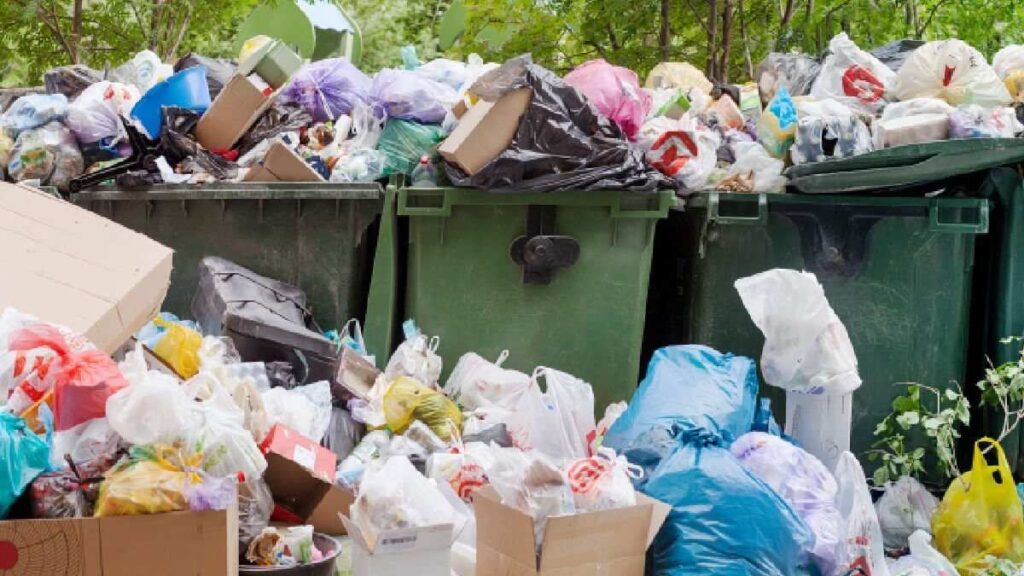
Infrastructure and industrial development projects generate concrete debris, steel scrap, timber, packaging materials, excavation waste, and surplus construction materials.
Without organized segregation and disposal plans, project sites often experience:
- Material losses
- Site congestion
- Safety incidents
- Delayed inspections
- Additional transportation costs
A qualified Construction waste management company in Bangladesh can reduce unnecessary disposal expenses while improving project organization and compliance.